Released in 1966, this song proved they could rise from a shadow no one thought they could escape. The voices soar, the emotion swells… but the real story lies behind the studio doors. Why did this hit mean more than just another No.1?
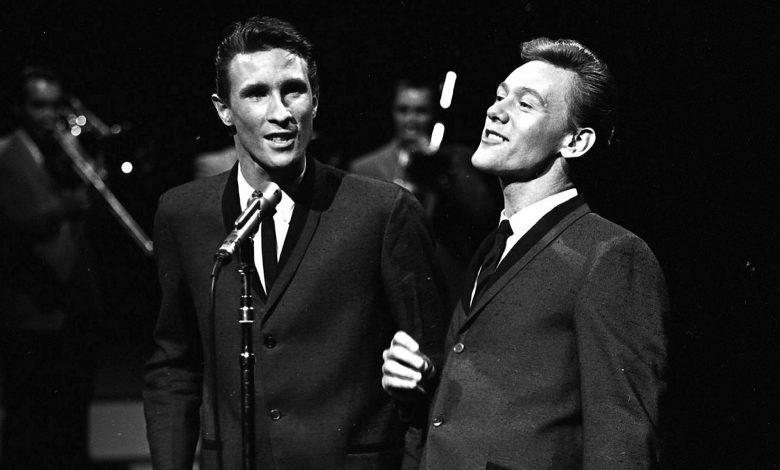
In early 1966, just months after the towering success of “You’ve Lost That Lovin’ Feelin’,” The Righteous Brothers found themselves standing at a crossroads that few artists survive unshaken.
Their signature producer, Phil Spector, had moved on, leaving behind not only a professional gap but the echo of a sound so monumental it seemed impossible to replicate.
The so-called Wall of Sound had become inseparable from their identity, wrapping their voices in thunderous emotion and cinematic grandeur.
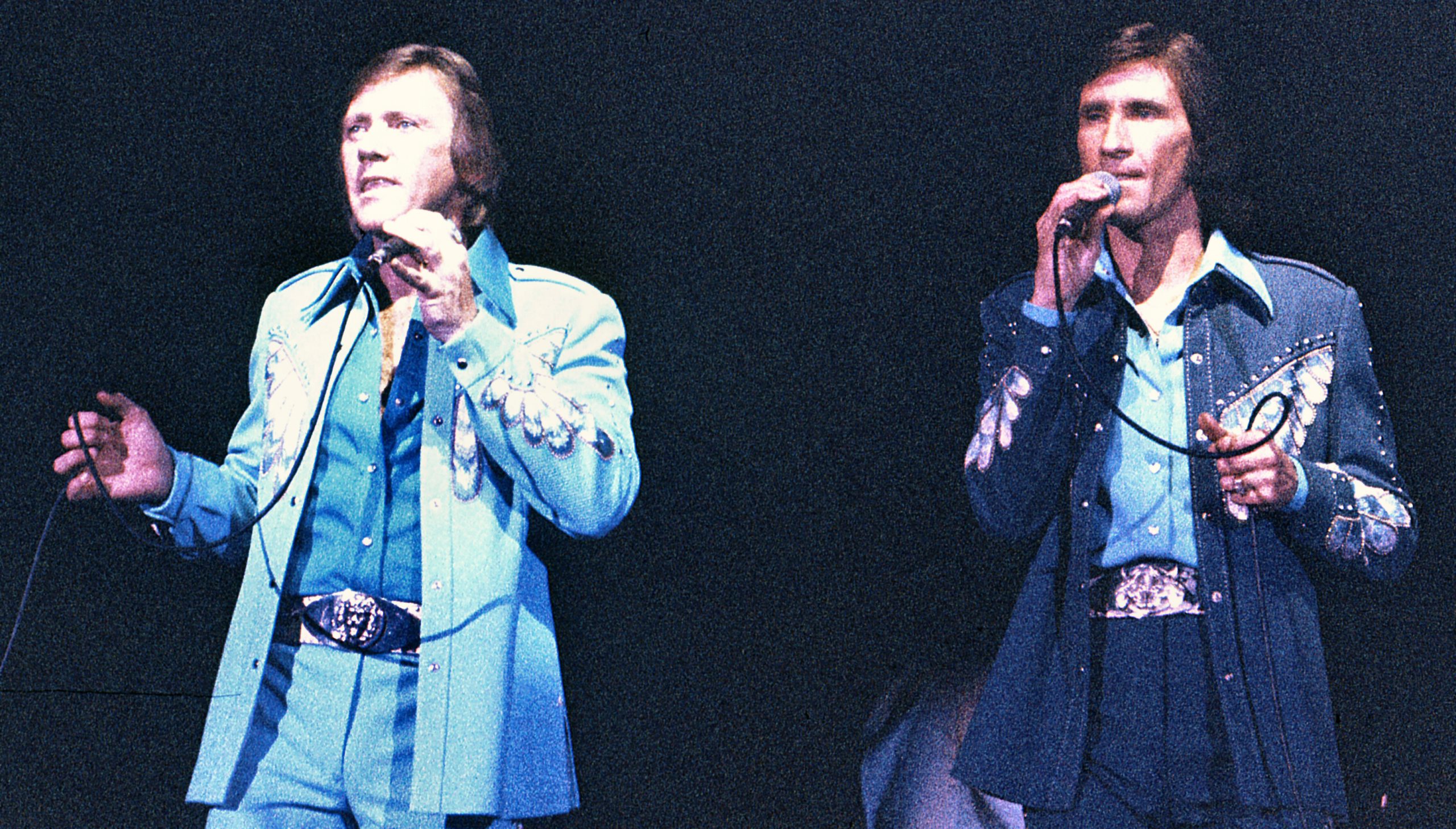
Many wondered whether Bill Medley and Bobby Hatfield could ever summon that same intensity without the architect who had helped shape it.
The answer arrived in the form of “(You’re My) Soul and Inspiration,” a song that felt less like a sequel and more like a declaration of resilience.
Written by Barry Mann and Cynthia Weil, the track had originally been sketched during earlier sessions but left unfinished, as if waiting for its destined moment.
Now, with Medley stepping into the producer’s role himself, the song became both a creative risk and a personal statement.
From its opening notes, there is a sense of longing that hangs in the air like the last glow of a sunset.
The instrumentation swells with orchestral drama, echoing the grandeur listeners associated with their previous hits.
Yet beneath the sweeping strings and layered arrangements lies something more intimate and urgent.
Bill Medley’s deep, resonant voice carries the verses with quiet intensity, grounded and reflective.
Then Bobby Hatfield rises in the chorus, his soaring tenor cutting through the arrangement like a cry from the heart.
When he sings the title phrase, it feels less like a lyric and more like a confession shouted across an emotional chasm.
The chemistry between their voices is not merely technical harmony but a conversation between two souls navigating the same storm.
Released at a time when pop music was shifting toward new sounds and youthful rebellion, the song held onto romantic grandeur without apology.
It climbed swiftly to No. 1 on the Billboard Hot 100, proving that sincerity still had a powerful place in a rapidly changing musical landscape.
Listeners who had feared the duo’s momentum might fade instead found themselves swept into another tidal wave of emotion.
There is something timeless about the central plea of the song, the desperate insistence that love is not simply affection but sustenance.
Without you, the narrator suggests, there is no inspiration, no meaning, no reason to move forward.
Such emotional nakedness could easily tip into melodrama, yet the performance keeps it grounded in genuine vulnerability.
It is that balance between theatrical scale and heartfelt authenticity that gives the track its enduring strength.
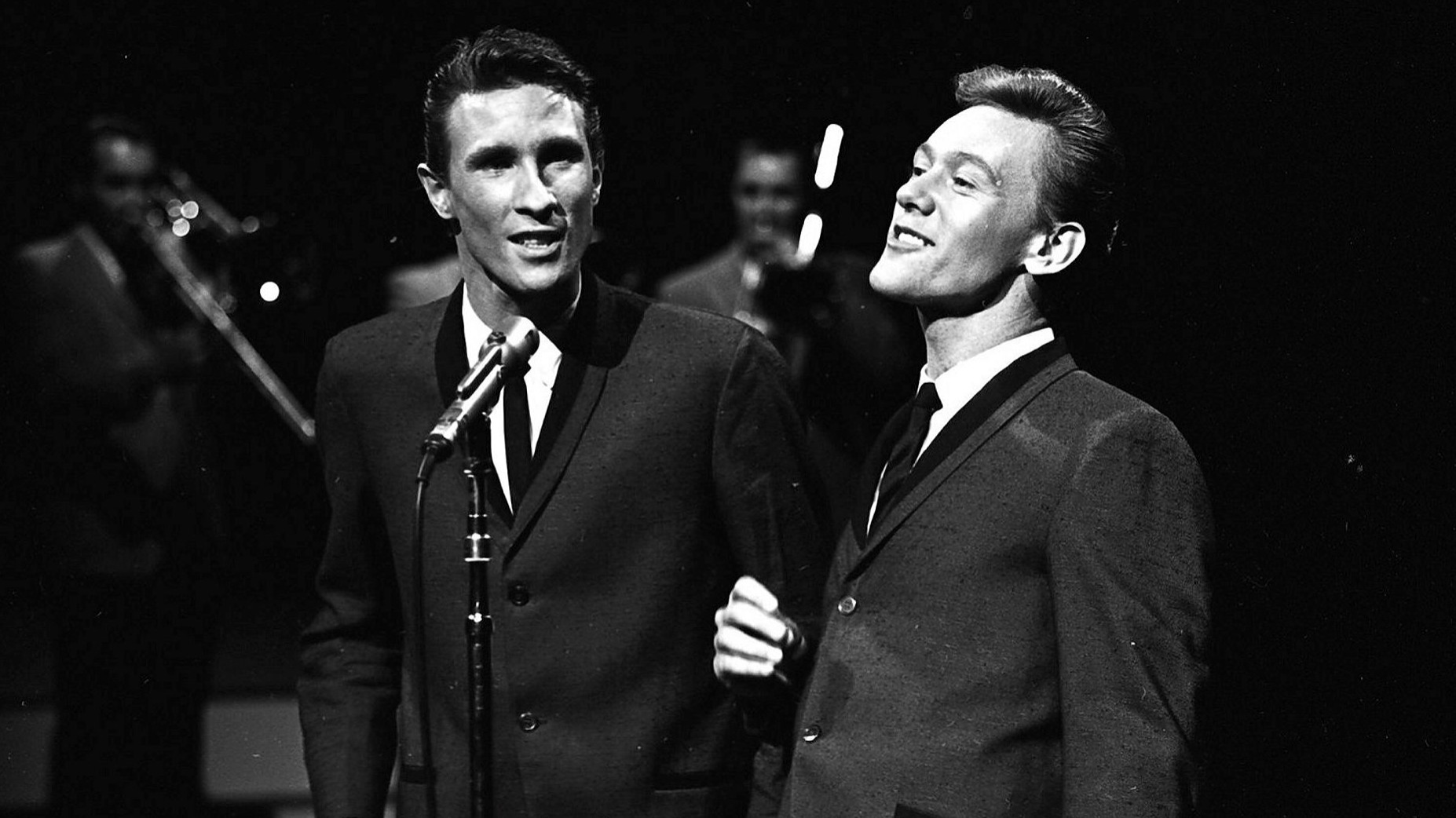
In many ways, “Soul and Inspiration” mirrors the personal crossroads faced by the duo themselves.
They were not only singing about emotional dependence but proving their artistic independence.
By producing the record on their own, they demonstrated that their sound was not solely the product of a famous collaborator.
The arrangement still carried echoes of the Wall of Sound, but there was a subtle shift in texture, a slightly leaner pulse beneath the grandeur.
That nuance signaled evolution rather than imitation.
For fans in 1966, the song became more than just another chart-topper.
It reaffirmed faith in artists who dared to stand on their own after stepping out from a powerful shadow.
The radio airwaves embraced it, and jukeboxes across America echoed with its sweeping chorus.
Couples slow-danced to it beneath dim lights, holding each other as if the lyric might vanish if they loosened their grip.
Decades later, the song still carries that same emotional voltage.
When it appears in films, television soundtracks, or nostalgic playlists, it instantly transports listeners to an era of grand romantic gestures.
You can almost picture a convertible gliding down a coastal highway at dusk, the wind tangling hair as the chorus rises.
There is a cinematic quality embedded in every note.
Yet beyond its imagery, the heart of the song remains startlingly simple.
It is about fear of loss, about realizing that love has become the axis around which everything turns.
That universal truth continues to resonate across generations.
Even listeners discovering the track for the first time often remark on how contemporary it feels despite its orchestral sweep.
Perhaps that is because longing never becomes outdated.
In the larger arc of The Righteous Brothers’ career, “Soul and Inspiration” stands as both continuation and turning point.
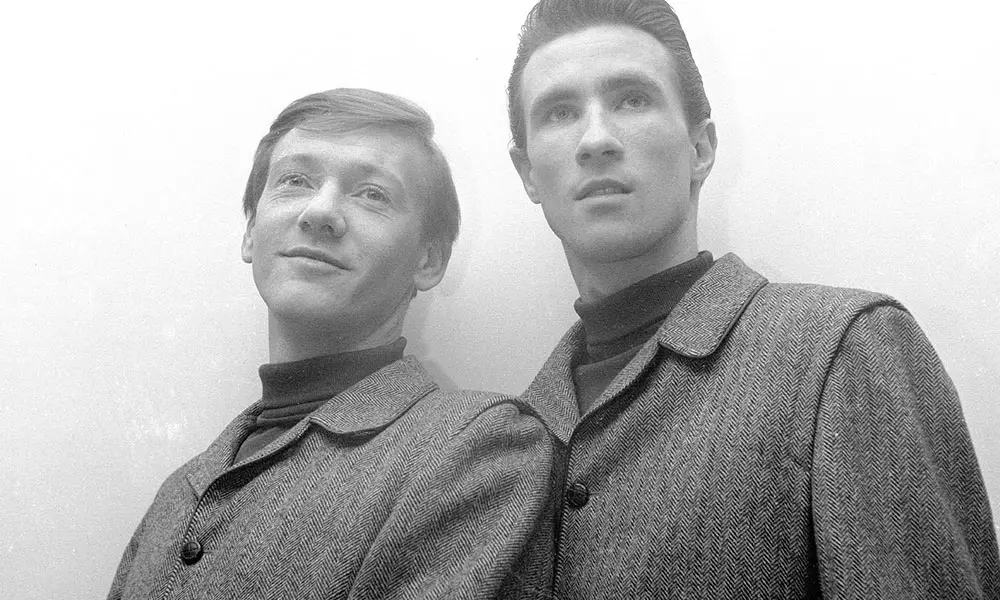
It proved they were not merely interpreters of someone else’s vision but architects of their own emotional landscapes.
The song also solidified their place in the canon of blue-eyed soul, blending pop accessibility with gospel-tinged intensity.
While musical trends would shift dramatically in the years that followed, the emotional core of this record never lost its pulse.
Listening now, one can hear not only the echoes of a particular decade but the beating heart of devotion itself.
There is courage in declaring that another person is your soul and inspiration.
There is vulnerability in admitting that without that connection, the world dims.
And in that fearless confession, The Righteous Brothers created a moment that continues to shimmer long after the final note fades.
It remains a reminder that sometimes the most powerful revolutions in music are not loud or rebellious, but tender and unguarded.
Read more stories
- When Ella Langley Sang and Riley Green Simply Listened: Country Music’s Quietest Power, A Lesson in Musical Connection
- Turning 13 Years of Life into One Album Cover: More Than Just Music, A Touch of Tenderness
- The CMA Fest Moment Nobody Saw Coming: Riley Green and Carly Pearce’s Unforgettable Duet, The Power of Connection in Country Music
- The Osborne Brothers’ “Rocky Top” Becomes a Country Anthem That Bridged Generations and Redefined Bluegrass in 1967-2