Merle Haggard’s ‘If We Make It Through December’ Captures the Heartache of Hard Times and Redefines Country Realism in 1973
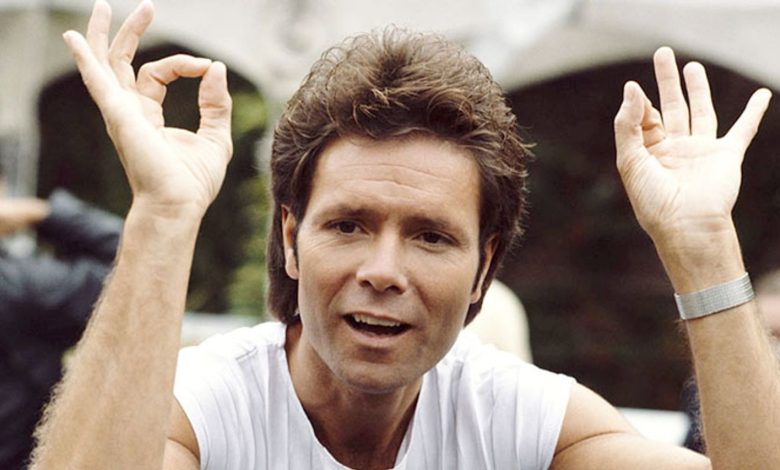
In October 1973, Merle Haggard released “If We Make It Through December,” a song that immediately cut through the gloss of mainstream country music with its stark honesty and emotional depth. At a time when radio was filled with feel-good tunes, Haggard’s poignant lyrics and heartfelt delivery resonated with listeners who were grappling with the realities of economic hardship and personal struggles.
The song tells the story of a man facing the uncertainty of his future as he contemplates the challenges of making ends meet during difficult times. Haggard’s ability to articulate the pain and heartache of working-class life is a hallmark of his songwriting, and “If We Make It Through December” is no exception. The lyrics reflect a deep sense of vulnerability and hope, capturing the essence of resilience in the face of adversity.

Musically, the track features a simple yet effective arrangement that allows Haggard’s voice to take center stage. The gentle instrumentation complements the emotional weight of the lyrics, creating a powerful listening experience that has stood the test of time. Haggard’s unique blend of traditional country sounds with a contemporary sensibility helped redefine the genre and paved the way for future artists to explore similar themes.
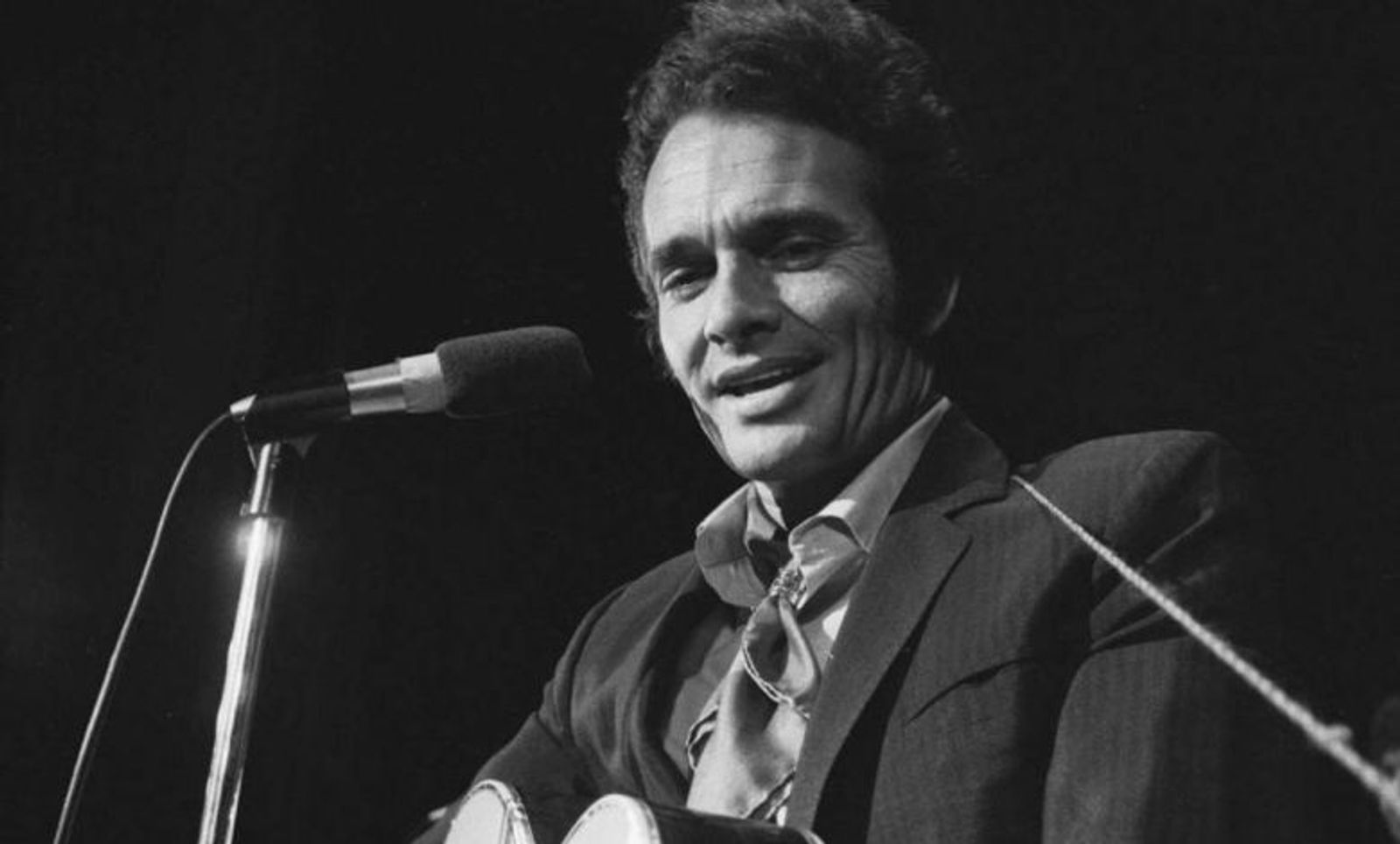
As the song gained popularity, it became an anthem for those enduring tough times, resonating with anyone who has faced hardship and uncertainty. Haggard’s storytelling ability and authenticity made “If We Make It Through December” a classic, solidifying his place in the pantheon of country music greats.
In conclusion, Merle Haggard’s “If We Make It Through December” is more than just a song; it is a reflection of the human experience during challenging times. Its enduring relevance speaks to the power of music to connect with listeners on a deeply emotional level, making it a timeless piece of art that continues to inspire and resonate.
Read more stories
- Linda Ronstadt’s “Blue Bayou” Redefined Pop-Country Crossovers and Cemented Her Legacy in 1977-2
- This Innocent Looking Boy Grew Up To Become One Of The World’s Most Evil Men
- A 22-year-old soldier crawled through jungle fire to rescue the men beside him and never m
- He was only 21, a young farm boy from Utah with no wealth, no influential supporters, and