For fourteen consecutive seasons, Lou Gehrig never sat out a game. Not a single one. From
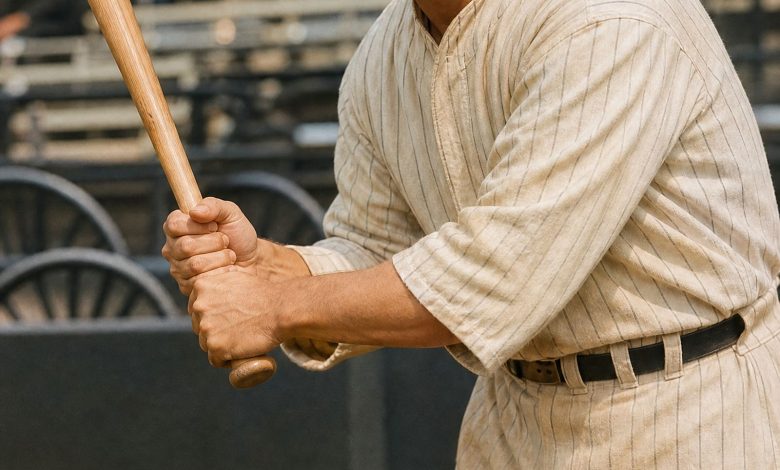
For fourteen consecutive seasons, Lou Gehrig never sat out a game. Not a single one. From 1925 to 1939, he played through broken fingers, back spasms, and injuries that would have sidelined any other player—2,130 games in a row, a record that endured for 56 years. He earned the nickname “the Iron Horse” because it seemed nothing could halt him. But then, something did.
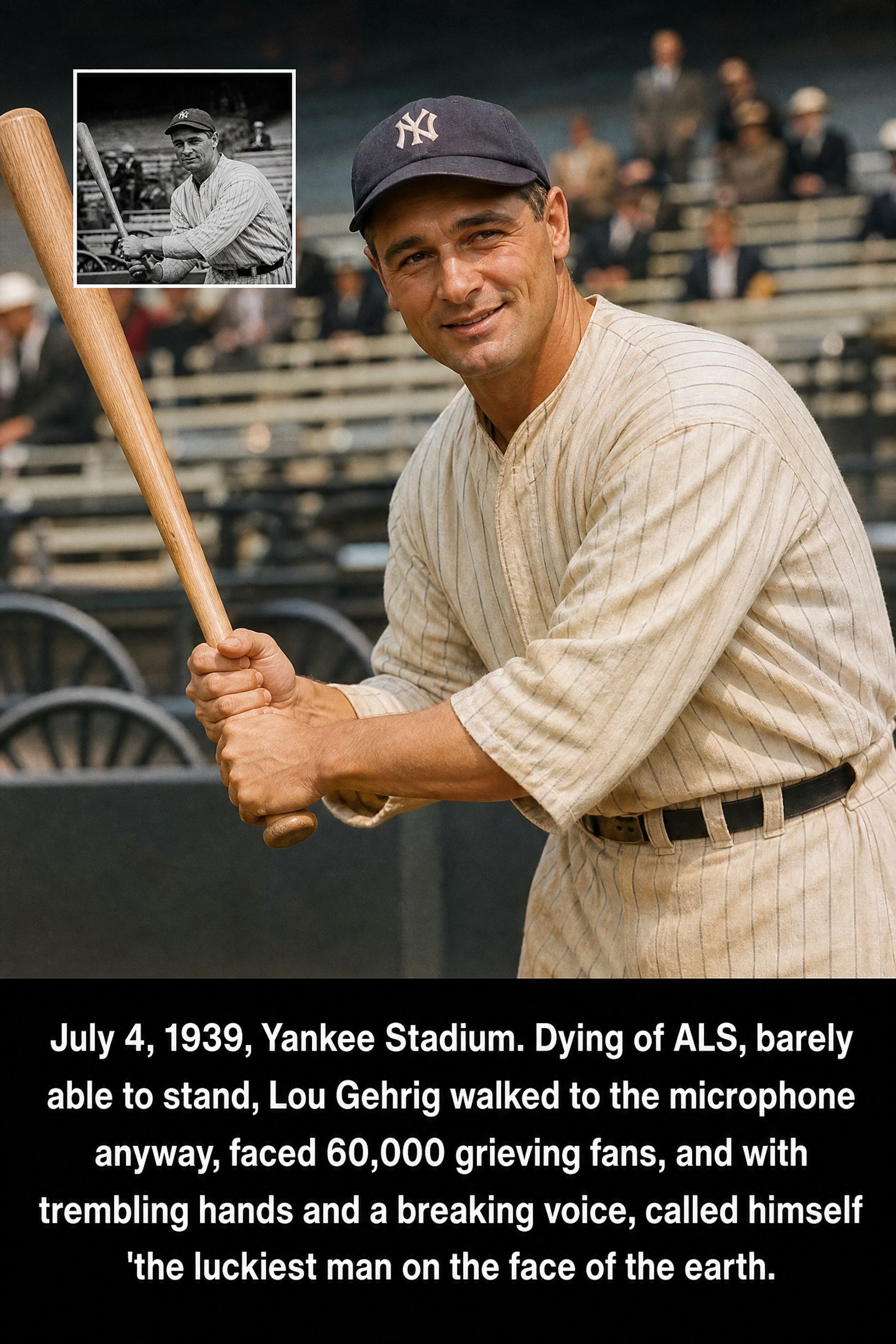
In 1939, Gehrig’s body began to fail him in ways that baffled everyone. He was striking out, stumbling, and losing grip strength in his hands. The diagnosis arrived swiftly and harshly: amyotrophic lateral sclerosis, a disease that offers no cure and no compassion. He was just 36 years old.
On July 4, 1939, Yankee Stadium celebrated “Lou Gehrig Appreciation Day.” Struggling to stand, he approached the microphone before 60,000 fans who had witnessed his entire career. He could have expressed anger, frustration, or grief over a life cut short. Instead, with a shaky voice, he shared that he considered himself “the luckiest man on the face of the earth.” He passed away less than two years later, at the age of 37. Yet that single statement, delivered by a brave man standing tall for one last moment, remains one of the most heroic instances in American sports history. His legacy endures in every diagnosis of the illness that claimed him; ALS is still referred to today as Lou Gehrig’s disease.
Read more stories
- Linda Ronstadt’s “Blue Bayou” Redefined Pop-Country Crossovers and Cemented Her Legacy in 1977-2
- This Innocent Looking Boy Grew Up To Become One Of The World’s Most Evil Men
- A 22-year-old soldier crawled through jungle fire to rescue the men beside him and never m
- He was only 21, a young farm boy from Utah with no wealth, no influential supporters, and