The Japanese guards had already broken him. Fifteen strikes with a hawser. Then they conti
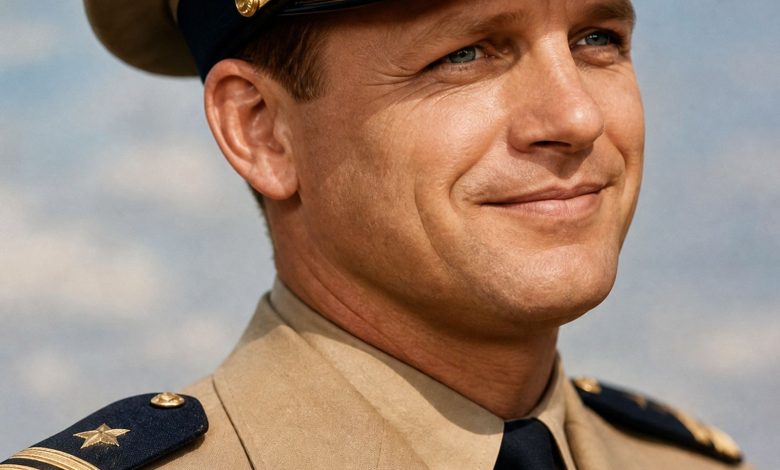
The Japanese guards had already broken him. Fifteen strikes with a hawser. Then they continued to kick. Lieutenant Allan Fisher lay unconscious, dy*ng, before 2,700 American and Allied prisoners of war. No one moved. No one dared. Then Richard Antrim stepped forward from the crowd. Not commanded. Not requested. He approached the guards and volunteered to take the rest of the beating himself. The guards simply stared. An American officer, calmly requesting to be beaten in place of another man. It made no sense to them. And in that moment of confusion, they halted. Fisher survived. Conditions in the camp improved. Antrim had already endured the sinking of his destroyer, USS Pope, during the battle for the Dutch East Indies. Wounded, captured, sent to a POW camp from which most men never returned. That single act, placing his own body between a guard and a dy*ng man, earned him the Medal of Honor. He returned home, retired as a rear admiral, and the Navy later honored him by naming a warship after him. Some men are remembered for what they destroyed. Richard Antrim is remembered for what he prevented from happening.
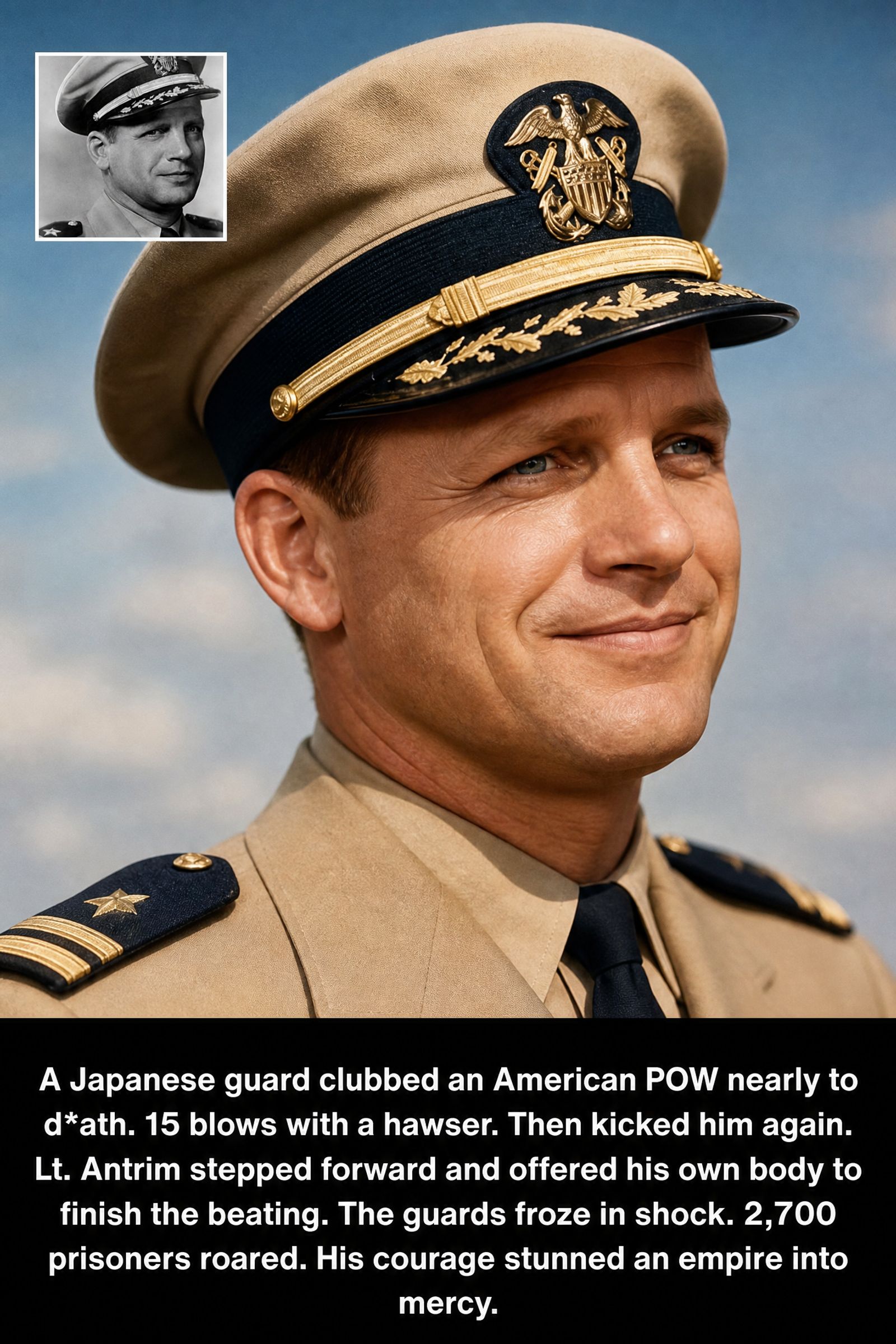
Image credit: Wikipedia
Read more stories
- Linda Ronstadt’s “Blue Bayou” Redefined Pop-Country Crossovers and Cemented Her Legacy in 1977-2
- This Innocent Looking Boy Grew Up To Become One Of The World’s Most Evil Men
- A 22-year-old soldier crawled through jungle fire to rescue the men beside him and never m
- He was only 21, a young farm boy from Utah with no wealth, no influential supporters, and