Every Night My Adopted Son Left Bread on the Porch. The Night We Took It Away, He Finally Told Us Why.
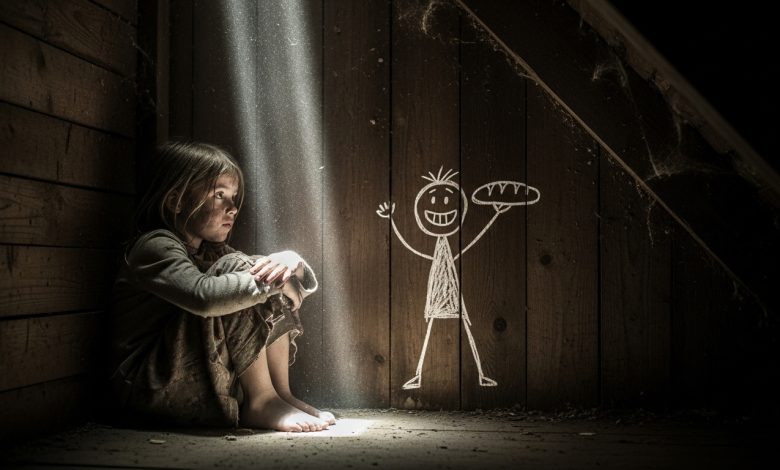
When we adopted Leo, we were told to expect silence. The file was thick. Pages filled with words like neglect, instability, food insecurity. What the file didn’t explain was how quiet a child could be and still carry an entire world inside him. Leo was seven, though he looked younger.
He moved through our house carefully, as if the walls might disappear if he touched them too hard. He spoke with his eyes, not his voice. And every night, without fail, he performed the same small ritual. After dinner, Leo would take one slice of white bread.
He wouldn’t eat it. He wouldn’t hide it. He would walk onto the back porch, place it gently on the railing, stand there for a moment looking into the trees, and then go to bed. At first, we thought it was harmless.
Part 1. The Bread
Our porch had always been my pride. Clean lines, polished wood, order. The bread disrupted that order. Every morning, it was gone. Sometimes damp.
Sometimes torn at the edges. I told myself it was animals. My wife Jessica told me it was trauma. “Give him time,” she said. “He’s learning that food doesn’t disappear here.” I wanted to believe that. But I also wanted structure.
I believed boundaries created safety. I believed stopping the ritual would help him move forward. I was wrong.
Part 2. The Night Everything Broke
The storm arrived without warning. Wind. Rain. Darkness. The power went out early, and the house felt unfamiliar in the flickering candlelight. Leo sat quietly, watching the back door, watching the clock. When the time came, he reached for the bread. I stopped him. I told him no.
The look on his face wasn’t defiance. It was panic. Real, unfiltered fear. When I took the bread away, something inside him cracked. Not loudly. Not dramatically. But deeply. He tried to reach the door. He tried to explain with gestures.
When that failed, frustration spilled out in the only way he knew how. It was the first time we ever heard his voice. Not a sentence. Just a word. And then another. He wasn’t angry. He was terrified.
Part 3. The Truth Behind the Silence
Later that night, after the storm calmed and the house settled, Leo finally spoke enough for us to understand. The bread wasn’t for animals. It was a signal. Before he came to us, Leo hadn’t been alone. He had a younger sister. A little girl named Mia.
When things became unsafe, Leo learned how to survive by making sure she ate first. White bread was soft. Easy. When authorities came to remove him from that life, Leo believed his sister was still waiting. Still hiding. Still watching for the one thing he promised to leave behind.
The porch railing wasn’t random. It was as close as he could get to recreating the place where he once left food so she could reach it. Every night, the bread meant: I’m still here. I didn’t forget you.
Part 4. Listening Instead of Correcting
We realized something painful. For months, Leo had been trying to tell us a story without words. And instead of listening, we tried to fix the behavior.
The next morning, we made calls. We asked questions. We didn’t accuse. We didn’t panic. We followed the details Leo remembered, small as they were. Records were reviewed.
Systems rechecked. And slowly, a thread appeared. A child. Found days after Leo had been removed.
No name. No connection logged.
Part 5. The White Square
The room was loud. Too loud. Children played. Voices echoed. Leo stood still, holding something small in his hand. One slice of white bread. He didn’t search the room. He didn’t ask questions. He walked straight to the corner. The girl looked up. She didn’t smile at first.
She just stared at the bread. Then at him. “Leo?” she whispered. That was all it took. They ran to each other without hesitation. No explanations.
No anger. Just relief so strong it emptied the room of sound. He hadn’t forgotten. She hadn’t stopped waiting.
Part 6. A Different Kind of Order
Our porch looks different now. It has scratches. Feeders. Crumbs. Life. Sometimes Leo and Mia still leave food outside. Not because they’re afraid. Because they choose to.
The bread is no longer a signal of fear. It’s a reminder. Some rituals aren’t problems to solve. They’re messages waiting to be understood. And sometimes, the safest thing you can do for a child isn’t to teach them new rules. It’s to finally hear the ones they’ve been living by all along.