He Was Rejected By His Own Mom And Raised To Think ‘Women Are Evil’ But He Became A Legendary Rockstar

He was born in a quiet Midwestern town, raised under strict rules, and endured a childhood marked by instability, violence and heartbreak. Few could have predicted that the troubled boy from Indiana would eventually become one of the most recognizable voices in rock history.
Before the sold-out stadiums, platinum records and worldwide fame, his life was defined by chaos. Family struggles began early. His parents separated when he was still a toddler, setting off a chain of events that would leave lasting emotional scars.
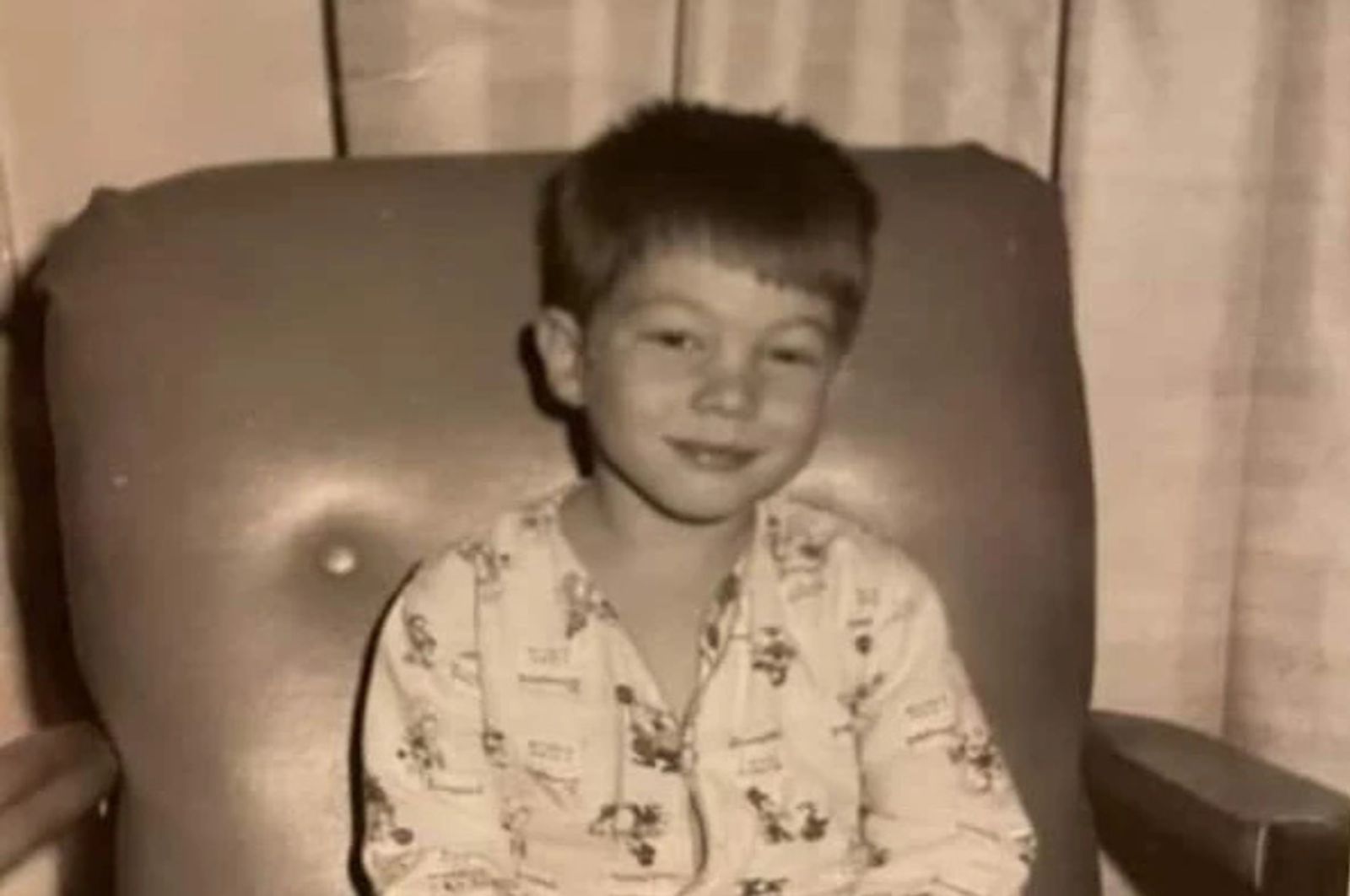
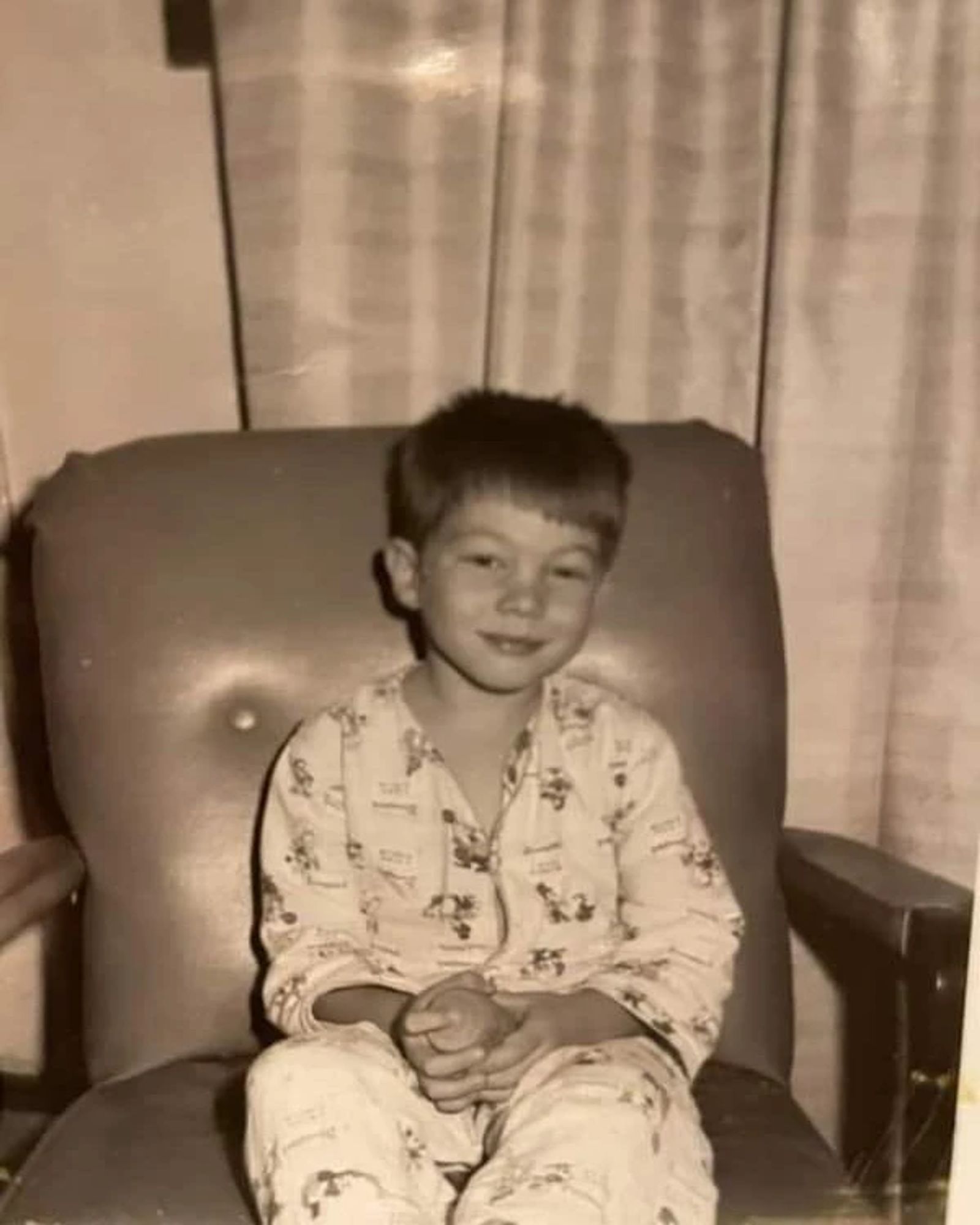
Axl Rose as a child sitting on a chair smiling, Photo Credit: fans.axlrose/Instagram
The future rock star spent years believing the wrong man was his biological father. As a child, he was reportedly taken by his birth father after the separation and later subjected to abuse before the man disappeared from his life. Decades later, he learned the truth about his family history, only to discover that his biological father had been murdered before they could ever reconnect.
Life at home offered little comfort. Raised in a deeply religious household, he later described the environment as restrictive and suffocating. Entertainment was often condemned, and everyday activities were scrutinized through a strict moral lens. He would later on speak openly about physical punishment and emotional trauma that shaped his early years.
School wasn’t much easier. Classmates bullied him, mocked his ambitions and dismissed his dreams. Yet even as a teenager, he asserted that he would one day become famous. Those around him laughed off the prediction.
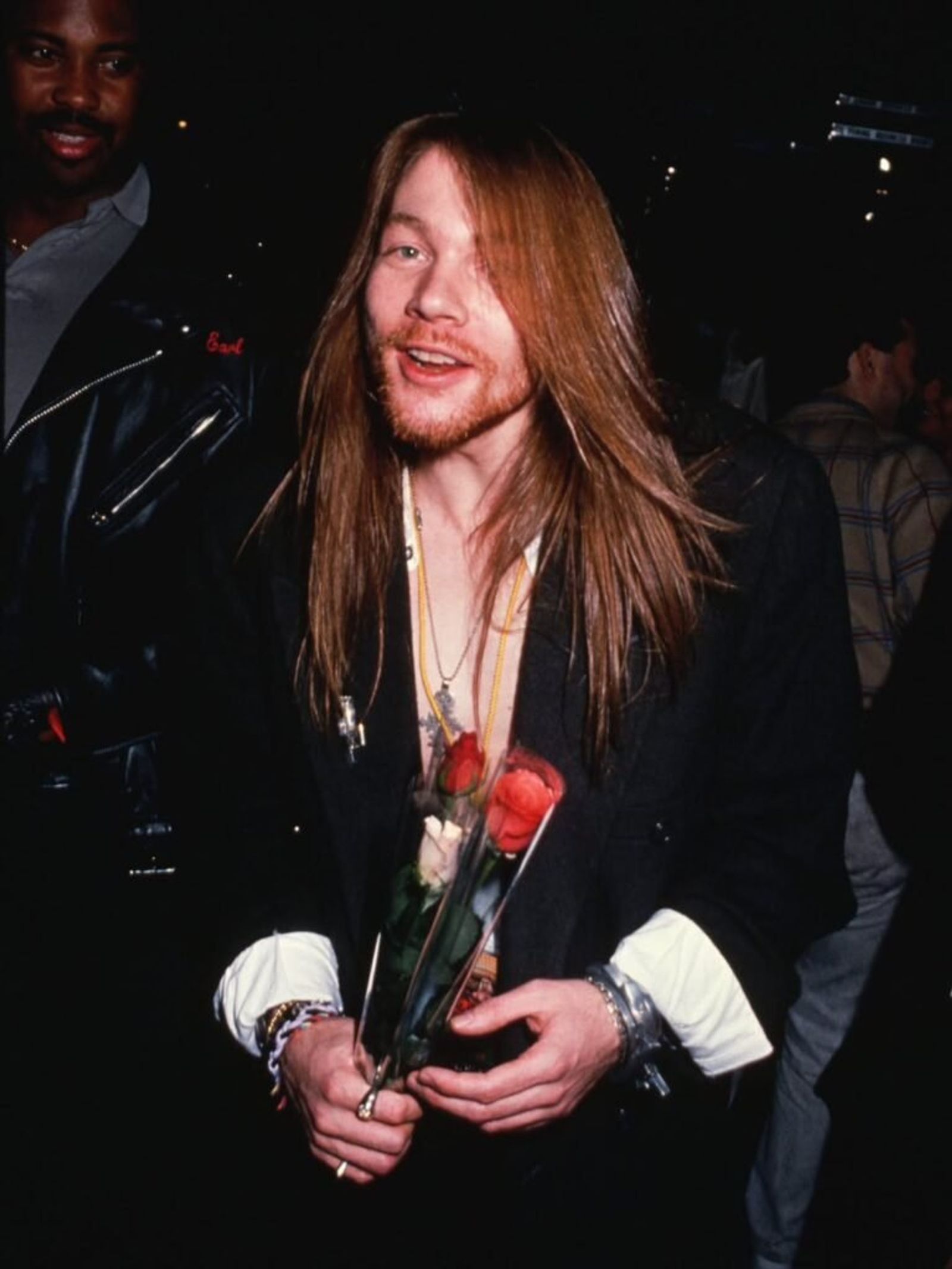
Axl Rose wearing a black blazer with white cuffs and holding red roses in Los Angeles, 1990, Photo Credit: official_axlrose/Instagram
Music became his escape.
From singing in church as a young child to learning piano and performing with family members, he discovered a passion that gave him purpose. Teachers remembered him as intelligent, charismatic and impossible to ignore. Even then, he possessed a larger-than-life presence.
But adolescence brought rebellion. After learning painful truths about his family, he began rejecting many of the values he had grown up with. His behavior landed him in repeated trouble with authorities, resulting in numerous arrests during his teenage years.
Facing an uncertain future, he made a life-changing decision in the early 1980s: leave Indiana behind and head west to Los Angeles.
The move would alter the course of music history.
Axl Rose at the Monsters of Rock festival, 1988, Photo Credit: RETRO./X
Inspired by legendary artists such as Queen, Aerosmith and Elton John, he immersed himself in the Los Angeles rock scene. After playing with multiple local rock groups, he took on a stage name that would eventually become one of the most recognizable in music history.
That young man was none other than Axl Rose.
In 1985, Rose joined forces with several musicians who would form the foundation of Guns N’ Roses. The group’s explosive debut album, Appetite for Destruction, transformed them from club performers into global superstars.

Initially, sales were modest. But relentless touring and breakout hits such as Welcome to the Jungle and Sweet Child o’ Mine eventually propelled the album to historic success. Today, it remains one of the best-selling debut albums ever released.
Rose’s soaring vocal range, commanding stage presence and rebellious image helped define an era of rock music. Yet success often came with controversy. Concert incidents, public feuds, legal battles and personal struggles frequently placed him in headlines.
Axl Rose performing on stage in Chile, 2025, Photo Credit: official_axlrose/Instagram
Despite those challenges, Rose remained one of rock’s most influential figures. Despite band shakeups, changing music trends, and extended stretches out of the public eye, his career has remained remarkably resilient.

Over the years, he has worked to address personal issues through therapy and self-reflection, openly discussing how childhood trauma influenced his reactions to stress and conflict.
From a difficult upbringing filled with loss and uncertainty to the pinnacle of rock stardom, Axl Rose’s story remains one of the music industry’s most remarkable transformations. His path was far from easy, but it produced a voice and legacy that continue to resonate with generations of fans around the world.
Continue reading
This Innocent Looking Boy Grew Up To Become One Of The Most Evil Men In The World
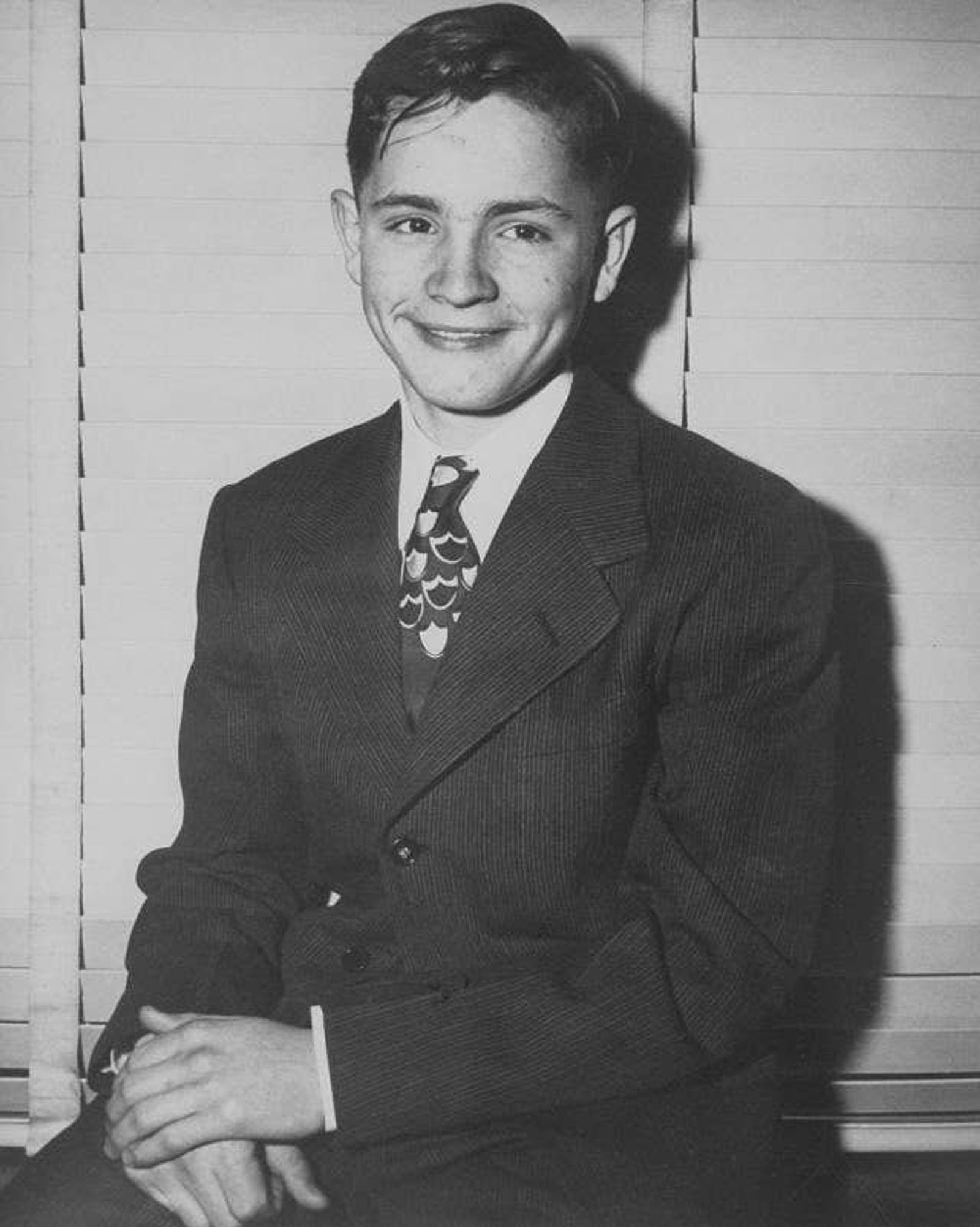
At first glance, he looked like any other child — small, wide-eyed, and harmless. But behind that innocent face was a life already unraveling, shaped by instability, neglect, and a growing hunger for control that would one day shock the nation.
Few could have imagined that the boy born in Cincinnati, Ohio, in November 1934 would become one of the darkest figures in American criminal history.
His life began in turmoil. Raised by a teenage mother who struggled to survive and abandoned by a father who disappeared before his birth, the child never experienced stability. When he was still in preschool, his mother was sent to prison after a violent robbery, leaving him to be raised by relatives in rural West Virginia.
Although she eventually returned, the reunion was short-lived. Alcohol soon took over her life, and the boy was left to fend for himself as she vanished for days at a time. Discipline turned into displacement, and by elementary school he was already bouncing between caretakers, institutions, and reform schools.

A young Charles Manson wearing a suit smiling, Photo Credit: DQD/X
By his own later accounts, fire-setting, theft, and skipping school had become routine before he even reached double digits. Authority figures struggled to contain him — and when he was sent to a strict Catholic boys’ school in Indiana, the harsh punishments only fueled his defiance. He ran away repeatedly, sleeping outdoors and surviving through burglary and deception.
The pattern continued into adolescence. Arrests piled up. Detention centers came and went. In Nebraska, he escaped within days and committed armed robberies during his flight. Psychological evaluations described him as deeply antisocial, someone who rejected rules and manipulated people instinctively.
As he grew older, his crimes became more disturbing. While incarcerated in federal facilities, he engaged in violent and sexual offenses against fellow inmates, prompting transfers to higher-security prisons. Each release only brought another descent — stolen vehicles, fraudulent schemes, and attempts to exploit young women followed him wherever he went.

A clean-cut Charles Manson on his wedding day in 1955, Photo Credit: Abbasi/X
Yet even then, he possessed a chilling ability to charm. He spoke convincingly. He listened intently. And he learned how to control people.
During one prison sentence in Washington state, he became fascinated with hypnosis and psychological influence — skills he would later weaponize. After his release, he drifted through California’s counterculture scene, presenting himself as a misunderstood philosopher and spiritual guide.
Music briefly became his obsession. He tried to break into the industry and even crossed paths with famous musicians. But rejection hardened into rage.

By the late 1960s, his grip on reality had collapsed entirely. He preached apocalyptic fantasies, convinced his followers that popular songs carried secret messages meant only for him. From those delusions emerged a terrifying vision of chaos — a so-called race war he believed would elevate him to power.
Charles Manson holding a guitar, Photo Credit: Paracetamol/X
Then came the murders.
In August 1969, members of his group brutally killed actress Sharon Tate — who was eight months pregnant — along with several others in her Los Angeles home. The following night, another couple was slaughtered in a similar fashion.
Though he never wielded the knife himself, prosecutors argued he orchestrated everything through manipulation and indoctrination.
The man once known as a troubled child was now infamous nationwide.
Convicted of multiple murders, Charles Manson was initially sentenced to death before the penalty was overturned, leaving him behind bars for life. Despite repeated parole hearings, he never walked free again.
Charles Manson appears in court at the start of his trial in 1970, Photo Credit: Cablevisiontv Chile/X
He died in prison in 2017 at the age of 83.
Today, his name remains a grim symbol — a reminder of how chaos, neglect, and unchecked manipulation can twist a damaged childhood into something unimaginably dangerous.
What began as a troubled boy’s story became one of America’s most chilling cautionary tales.
Read more stories
- Linda Ronstadt’s “Blue Bayou” Redefined Pop-Country Crossovers and Cemented Her Legacy in 1977-2
- This Innocent Looking Boy Grew Up To Become One Of The World’s Most Evil Men
- A 22-year-old soldier crawled through jungle fire to rescue the men beside him and never m
- He was only 21, a young farm boy from Utah with no wealth, no influential supporters, and