Mira Sorvino’s Long Silence and the Career That Quietly Changed
Mira Sorvino never fit the easy script of a Hollywood ingenue. Born in New York City to actor Paul Sorvino, she could have been dismissed as another famous daughter drifting on a family name. Instead, she built a life that looked almost defiantly her own. She went to Harvard, spent a year in China, returned fluent in Mandarin, and graduated magna cum laude in East Asian studies. As a student, she even helped found a co-ed a cappella group. Acting was not the obvious path. It was the one she chose.
That choice seemed to bloom spectacularly in 1995, when Woody Allen cast her in Mighty Aphrodite. Sorvino played a bright, warmhearted woman with a squeaky voice and such unaffected sweetness that critics fell for her immediately. The film’s distributor was Miramax, and Miramax was run by Harvey Weinstein. As the movie gathered attention, Sorvino’s career appeared to be lifting at exactly the speed young actors dream about.
Then came September 1995 at the Toronto International Film Festival. While promoting the film, Sorvino found herself alone with Weinstein in a hotel room. By her account, he began rubbing her shoulders and then tried to get more physical. She pulled away, but he followed her around the room. In a moment of alarm and quick instinct, she told him that dating married men was against her religion. Then she walked out. It was a narrow escape, but not the end of the fear.
A few weeks later, late at night, the phone rang. It was Weinstein, saying he was coming over to discuss new marketing ideas for the film. By the time he arrived, it was past midnight. Sorvino had already made a defensive plan: she called a male friend and asked him to come over and pretend to be her boyfriend. When Weinstein learned a boyfriend was on the way, he left. Even so, the encounter left her deeply shaken.
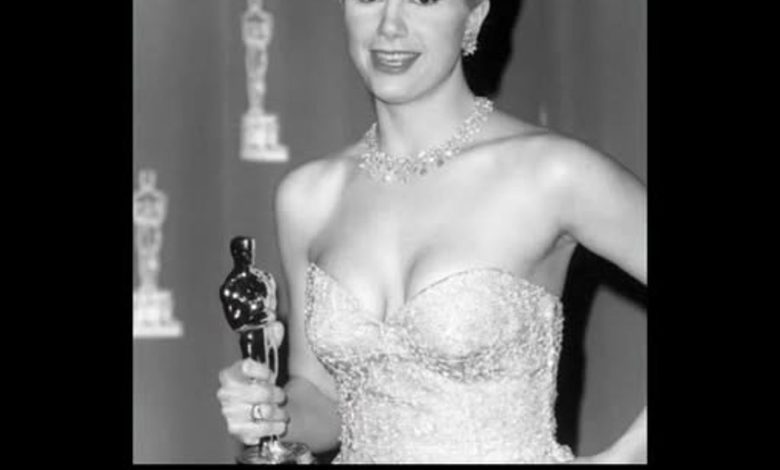
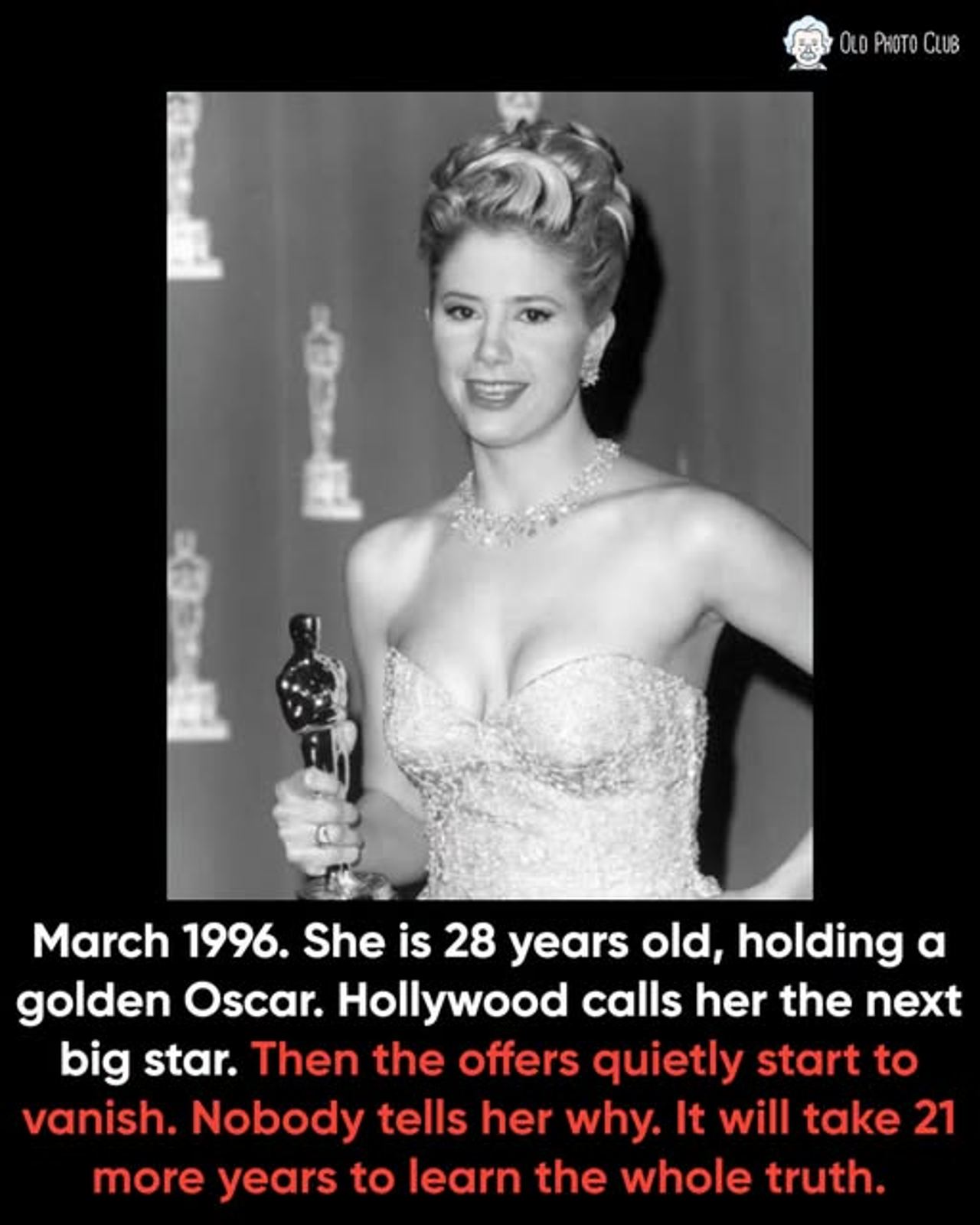
What happened next is the cruelest part of the story because, on the surface, everything still looked golden. In March 1996, Sorvino won the Academy Award for Best Supporting Actress and took home a Golden Globe as well. Her contracts included bonus clauses for an Oscar win. Scripts came flooding in. Romy and Michele’s High School Reunion turned her into a household name in 1997. It seemed as if she had arrived for good.
But after 1998, the momentum faltered. Sorvino has said she turned Weinstein down three times. Big studio films stopped coming. She kept working, in smaller independent movies and on television, but the top tier of Hollywood seemed to recede without explanation. Door after door closed. She suspected Weinstein was behind it, yet had no proof. Worse still, she had tried to tell someone. After the hotel incident, she reported it to a female executive at Miramax and, she says, was brushed off.
For 22 years, Sorvino stayed publicly silent. Then, on October 10, 2017, The New Yorker published Ronan Farrow’s report in which more than a dozen women accused Weinstein of harassment or worse. Sorvino, then 50, was one of them. By then, her story was no longer only about a single actress or a single career. It had become part of a larger reckoning over power, fear, and the price women were made to pay for protecting themselves. In telling it, she gave shape to something many had long sensed but few had dared to say aloud.


