Released in 1971, this song quietly became the soundtrack of love, loneliness, and memories too painful to forget. More than 50 years later, its softness still reaches places words often cannot.
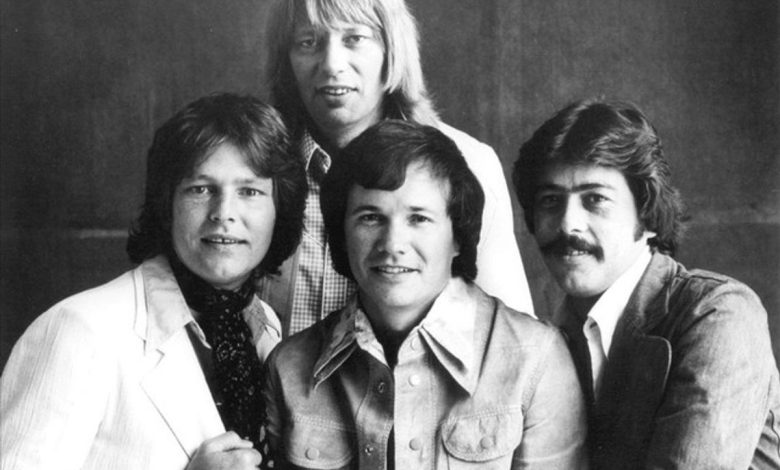
When Bread released “Baby I’m-A Want You” in 1971, the song quietly entered the airwaves with a softness that immediately separated it from the louder and more rebellious sounds dominating the era.
At a time when rock music often chased intensity and experimentation, Bread chose tenderness instead, and millions of listeners instantly connected with that emotional honesty.
The song eventually climbed near the top of the charts and became one of the defining love ballads of the early 1970s.
But beyond its commercial success, “Baby I’m-A Want You” carried something deeper that allowed it to survive far beyond the decade that created it.
There was a warmth inside the song that felt personal, almost fragile, as though the listener had accidentally stepped into someone’s private confession late at night.
The voice of David Gates did not sound dramatic or theatrical because its power came from restraint rather than overwhelming emotion.
That calm sincerity became one of Bread’s defining qualities throughout their career and helped separate the band from many of their contemporaries.
Before forming Bread, David Gates had already built a respected reputation within the music industry as a songwriter, producer, and session musician.
Born in Oklahoma in 1940, Gates grew up surrounded by music and developed a natural ability for melody at an early age.
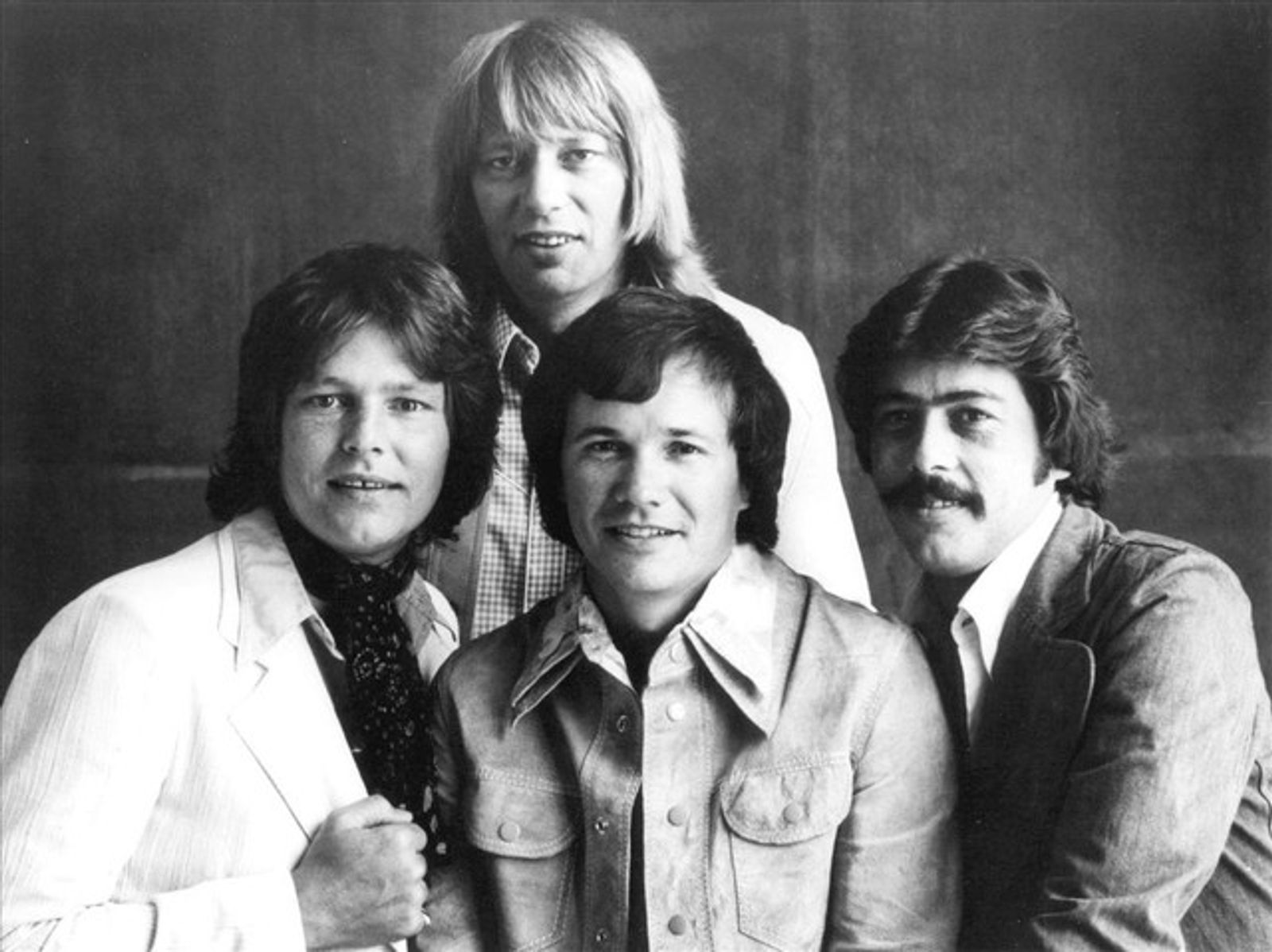
By the late 1960s, he had assembled Bread alongside Jimmy Griffin, Robb Royer, and Mike Botts, creating a sound built around soft harmonies and emotionally direct songwriting.
While critics occasionally dismissed soft rock as overly sentimental, audiences embraced Bread because their music reflected emotional vulnerability without cynicism or pretense.
“Baby I’m-A Want You” captured that emotional openness perfectly from its very first lines.
The lyrics spoke about dependence, devotion, and the fear of losing someone who had quietly become essential to everyday life.
Unlike many love songs that relied on grand declarations or poetic exaggeration, this song felt intimate and deeply human instead.
Listeners did not hear fantasy inside the lyrics because they recognized pieces of their own relationships hidden within the simplicity of the words.
That emotional relatability helped transform the song into a soundtrack for countless relationships during the early 1970s.
Couples danced to it at weddings, teenagers played it alone through headphones at night, and lonely listeners found comfort in its gentleness.
Musically, the arrangement remained remarkably understated, allowing the emotional core of the song to breathe naturally.
Soft piano chords, subtle percussion, and carefully layered harmonies created an atmosphere that felt almost dreamlike without becoming overly polished.
David Gates understood that silence and space could sometimes communicate emotion more effectively than complicated instrumentation ever could.
As a result, every note inside “Baby I’m-A Want You” seemed carefully placed to preserve the song’s emotional intimacy.
The recording sessions reflected Bread’s larger philosophy about music, which prioritized mood and sincerity over technical showmanship.
Instead of competing for attention with flashy solos or dramatic production tricks, the band focused on creating emotional connection.
That approach proved incredibly effective because listeners trusted the honesty inside Bread’s music almost immediately.
When the song was released as both a single and the title track of the band’s 1972 album, it quickly became another major success for the group.
It reached the Top 5 on the Billboard Hot 100 and strengthened Bread’s growing reputation as masters of soft romantic ballads.
By that point, the band had already earned success with songs like “Make It with You” and “If,” but “Baby I’m-A Want You” carried a slightly deeper emotional maturity.
There was a quiet exhaustion hidden beneath the love and devotion expressed in the lyrics, giving the song an emotional complexity many listeners still feel decades later.
Part of the song’s lasting appeal comes from the fact that it never sounds tied to a specific moment or trend.
Even though it emerged from the soft rock movement of the 1970s, its emotional themes remain timeless and universally recognizable.
Love, dependence, longing, and vulnerability continue affecting people in every generation regardless of changing musical styles.
Because of that, younger audiences still discover Bread today and feel surprisingly connected to music recorded more than fifty years ago.
Over the decades, “Baby I’m-A Want You” appeared in films, television programs, and nostalgic retrospectives celebrating classic love songs.
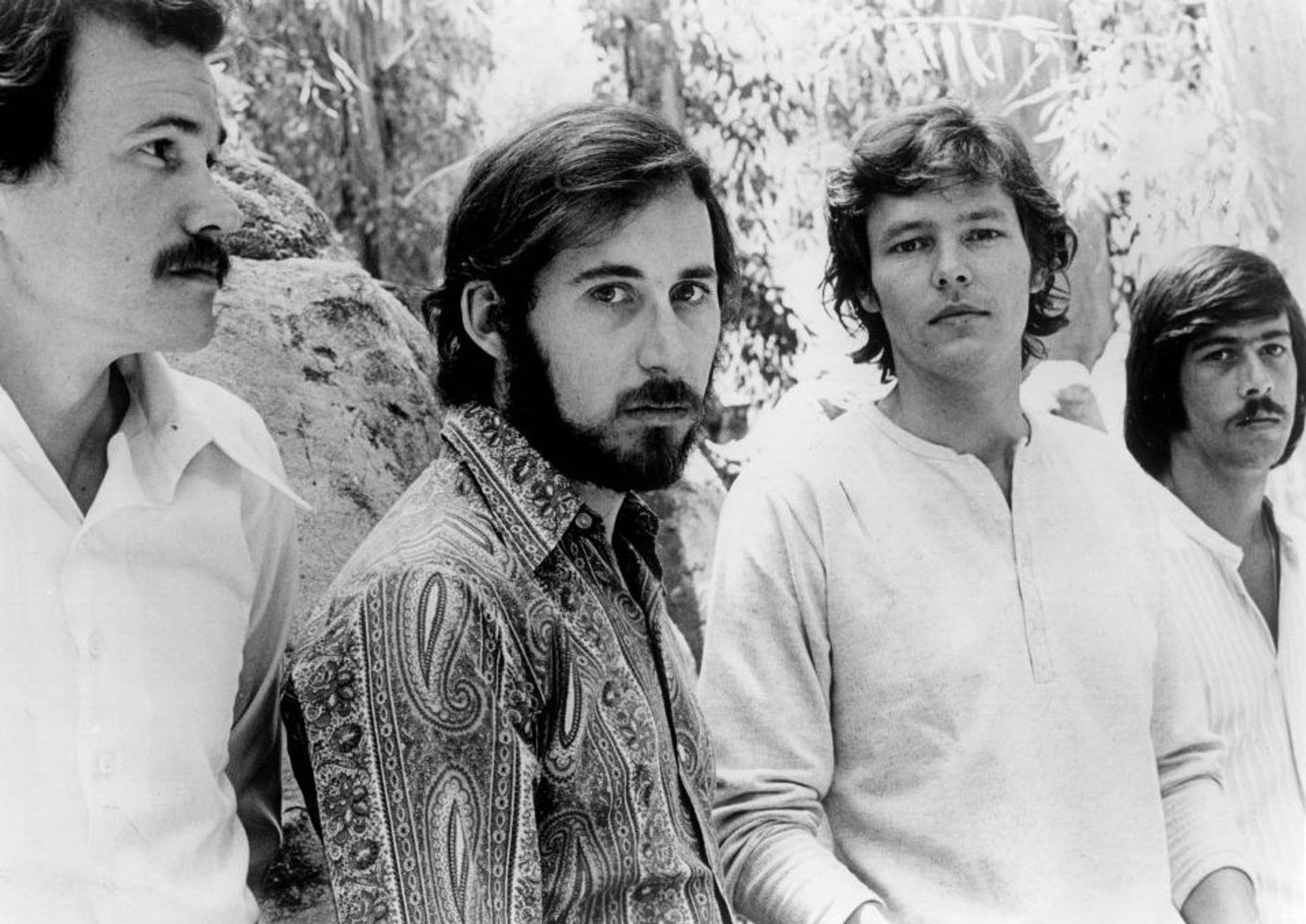
Its soft emotional atmosphere often became shorthand for memory, romance, and emotional reflection within popular culture.
The song also helped define the broader identity of soft rock itself during the 1970s.
Bands inspired by Bread later embraced similarly gentle arrangements and emotionally transparent songwriting styles throughout the decade.
Although some critics initially underestimated the artistic value of soft rock, songs like “Baby I’m-A Want You” proved that quiet music could carry enormous emotional power.
The emotional restraint inside the song became one of its greatest strengths because it allowed listeners to project their own feelings into the music.
Rather than telling audiences exactly what to feel, Bread created emotional space where memories and personal experiences could naturally exist.
That subtle quality often explains why the song feels deeply nostalgic even for people hearing it long after its original release.
Listeners hear not only the music itself but also echoes of old relationships, distant summers, late-night drives, and moments that slowly disappeared with time.
As the years passed, Bread’s music remained closely associated with emotional sincerity and melodic beauty.
Even during periods when musical trends shifted toward harder rock, disco, or electronic production, their songs continued finding devoted audiences.
David Gates especially became admired for his gift of writing melodies that sounded simple on the surface while carrying profound emotional resonance underneath.
“Baby I’m-A Want You” may not have carried the political anger of protest songs or the rebellious energy of arena rock anthems, but it possessed something equally powerful.
It reminded listeners that tenderness itself could be unforgettable when expressed with honesty and restraint.
Decades later, the song still drifts through old radios, restaurant speakers, and late-night playlists with the same quiet emotional pull it carried in the early 1970s.
And perhaps that enduring softness is exactly why “Baby I’m-A Want You” continues surviving while so many louder songs from the same era slowly faded into memory.
Read more stories
- When Ella Langley Sang and Riley Green Simply Listened: Country Music’s Quietest Power, A Lesson in Musical Connection
- Turning 13 Years of Life into One Album Cover: More Than Just Music, A Touch of Tenderness
- The CMA Fest Moment Nobody Saw Coming: Riley Green and Carly Pearce’s Unforgettable Duet, The Power of Connection in Country Music
- The Osborne Brothers’ “Rocky Top” Becomes a Country Anthem That Bridged Generations and Redefined Bluegrass in 1967-2