He was left on that mountain because his team thought he was already gone. John Chapman se
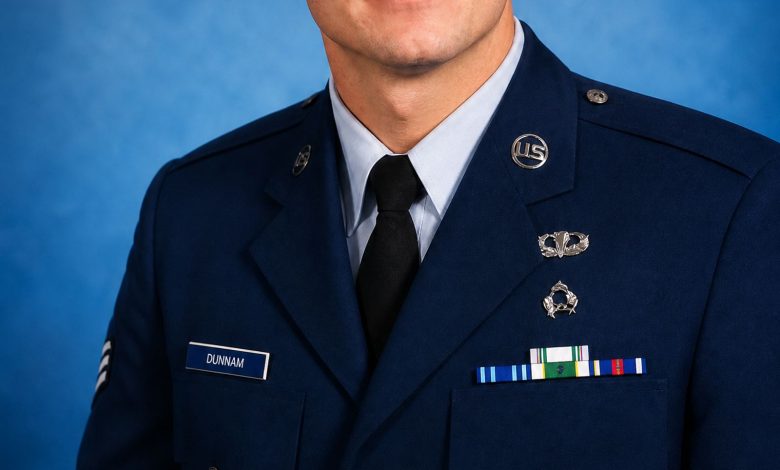
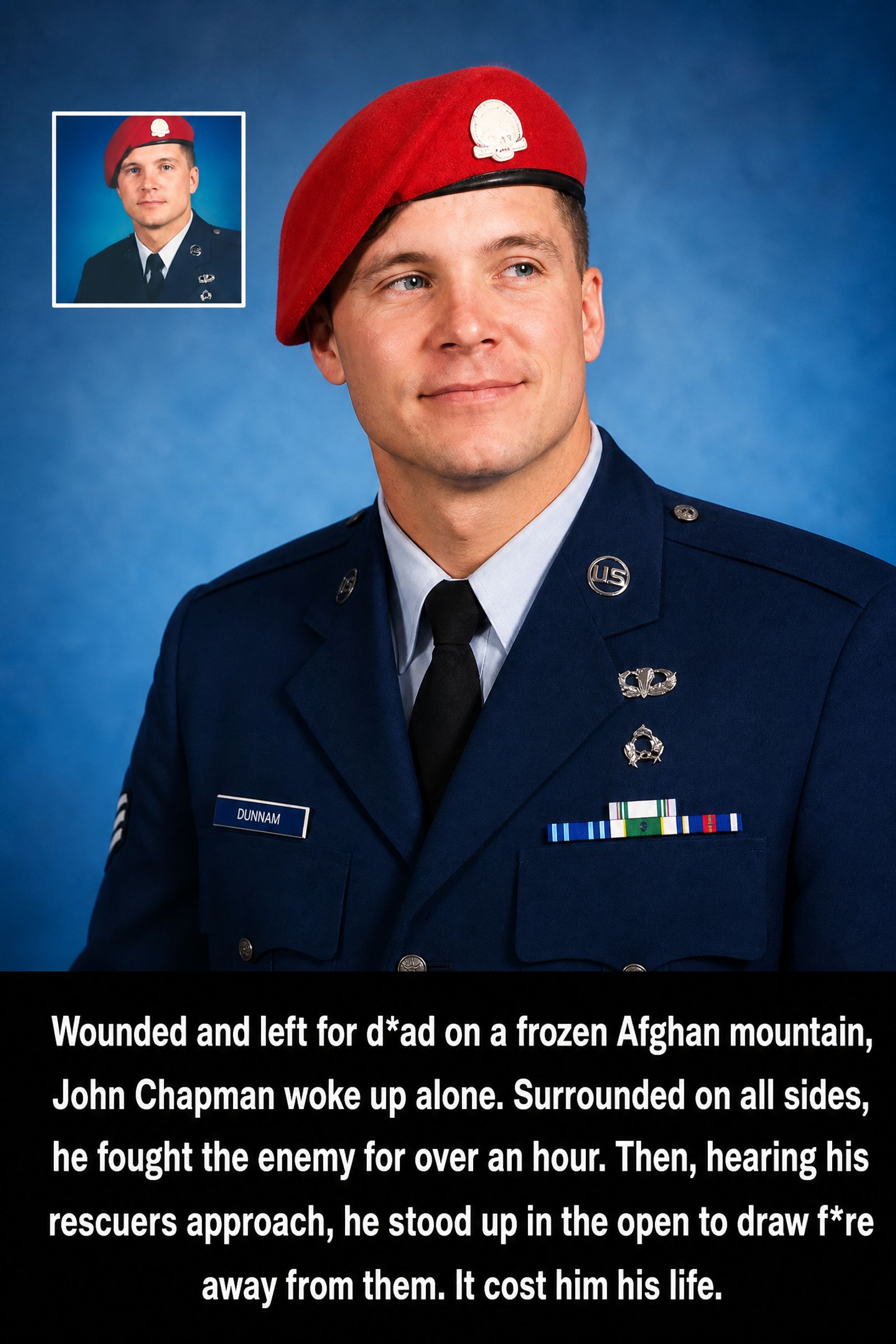
He was left on that mountain because his team thought he was already gone. John Chapman served as an Air Force combat controller with a Navy SEAL team during Operation Anaconda in March 2002. When their helicopter came under fire over Takur Ghar, Afghanistan, a SEAL fell from the aircraft. Chapman and the team returned for him. They landed in a heavily fortified enemy stronghold. Under fire from three different directions, Chapman charged ahead, killed two enemy fighters, and stormed a machine gun bunker by himself. He was shot and went down. Assuming he was dead, his team retreated down the mountain without him. But Chapman was not dead. He regained consciousness, wounded and alone, and continued to fight against a second enemy position for over an hour. When he heard a rescue helicopter nearing, he realized it would fly directly into the same ambush that had already taken his teammates’ lives. So he left his cover, exposed himself in the open, and opened fire to redirect the enemy’s attention onto himself instead. He was killed in the process. Five more Americans perished in that helicopter’s battle, but many more survived because of Chapman’s actions in his last moments. In 2018, sixteen years after his death, the Air Force Cross he had initially been awarded was upgraded to the Medal of Honor. He became the first airman to receive it since Vietnam. He understood the price that mountain would demand from him. He stood up anyway.
Read more stories
- Linda Ronstadt’s “Blue Bayou” Redefined Pop-Country Crossovers and Cemented Her Legacy in 1977-2
- This Innocent Looking Boy Grew Up To Become One Of The World’s Most Evil Men
- A 22-year-old soldier crawled through jungle fire to rescue the men beside him and never m
- He was only 21, a young farm boy from Utah with no wealth, no influential supporters, and