Released in 1957, this song didn’t just shake the charts… it shook an entire generation.
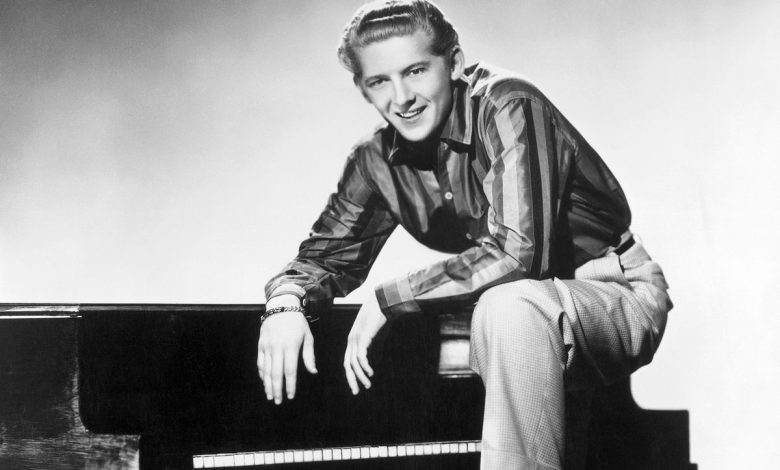
Released in 1957, this song didn’t just shake the charts… it shook an entire generation. Decades later, its reckless energy and untamed spirit still sound as dangerous as the first time the world heard it.
When “Great Balls of Fire” exploded onto radios in 1957, it did not sound like ordinary music but instead felt like a cultural detonation powerful enough to shake the foundations of conservative American society overnight.
At a time when much of popular music still carried polished restraint and carefully controlled emotion, Jerry Lee Lewis arrived with wild piano rhythms, dangerous energy, and a voice that sounded completely untamed by convention.
The song immediately separated itself from nearly everything else dominating the charts because it carried the reckless spirit of rock and roll in its purest, loudest, and most unapologetic form imaginable.
Listeners did not simply hear “Great Balls of Fire” for the first time because they experienced it almost physically, like being caught inside a storm of rhythm, sweat, rebellion, and youthful adrenaline.
From its explosive opening piano chords, the recording created the sensation that something unpredictable and slightly dangerous was about to happen before the first lyric even fully arrived inside the listener’s ears.
That feeling became central to Jerry Lee Lewis’s identity throughout his career because he never approached music politely, carefully, or safely in the way many performers of the era still attempted to do.
Born in Ferriday, Louisiana, Lewis grew up surrounded by gospel music, southern culture, and strict religious influences that would later collide violently with the rebellious energy defining his public image and performances.
Even as a child, he displayed extraordinary talent at the piano, often playing with such intensity that family members and local audiences recognized immediately that he possessed something rare and emotionally explosive.
Unlike many polished entertainers carefully shaped by record companies, Jerry Lee Lewis seemed almost impossible to control because his performances carried raw instinct rather than calculated professionalism or commercial restraint.
By the mid-1950s, rock and roll had already begun reshaping American youth culture through artists like Elvis Presley, Little Richard, and Chuck Berry, yet Lewis somehow pushed the genre’s intensity even further.
When he signed with Sun Records in Memphis, the legendary label run by Sam Phillips, Lewis entered the same creative environment that had already launched several of rock music’s most influential early pioneers.
However, even among such legendary company, Jerry Lee Lewis stood apart because his piano-driven chaos and volcanic stage presence often felt more reckless and emotionally unpredictable than nearly anyone around him.
“Great Balls of Fire” was written by Otis Blackwell and Jack Hammer, yet once Lewis performed it, the song became inseparable from his personality, energy, and almost frightening level of emotional intensity.
Ironically, Lewis initially resisted recording the song because of its suggestive lyrics and the conflict he felt between his religious upbringing and the provocative spirit of early rock and roll culture.
That inner conflict would follow him throughout much of his life because Jerry Lee Lewis often seemed emotionally trapped between gospel morality and the uncontrollable temptations of fame, desire, and rebellion surrounding him.
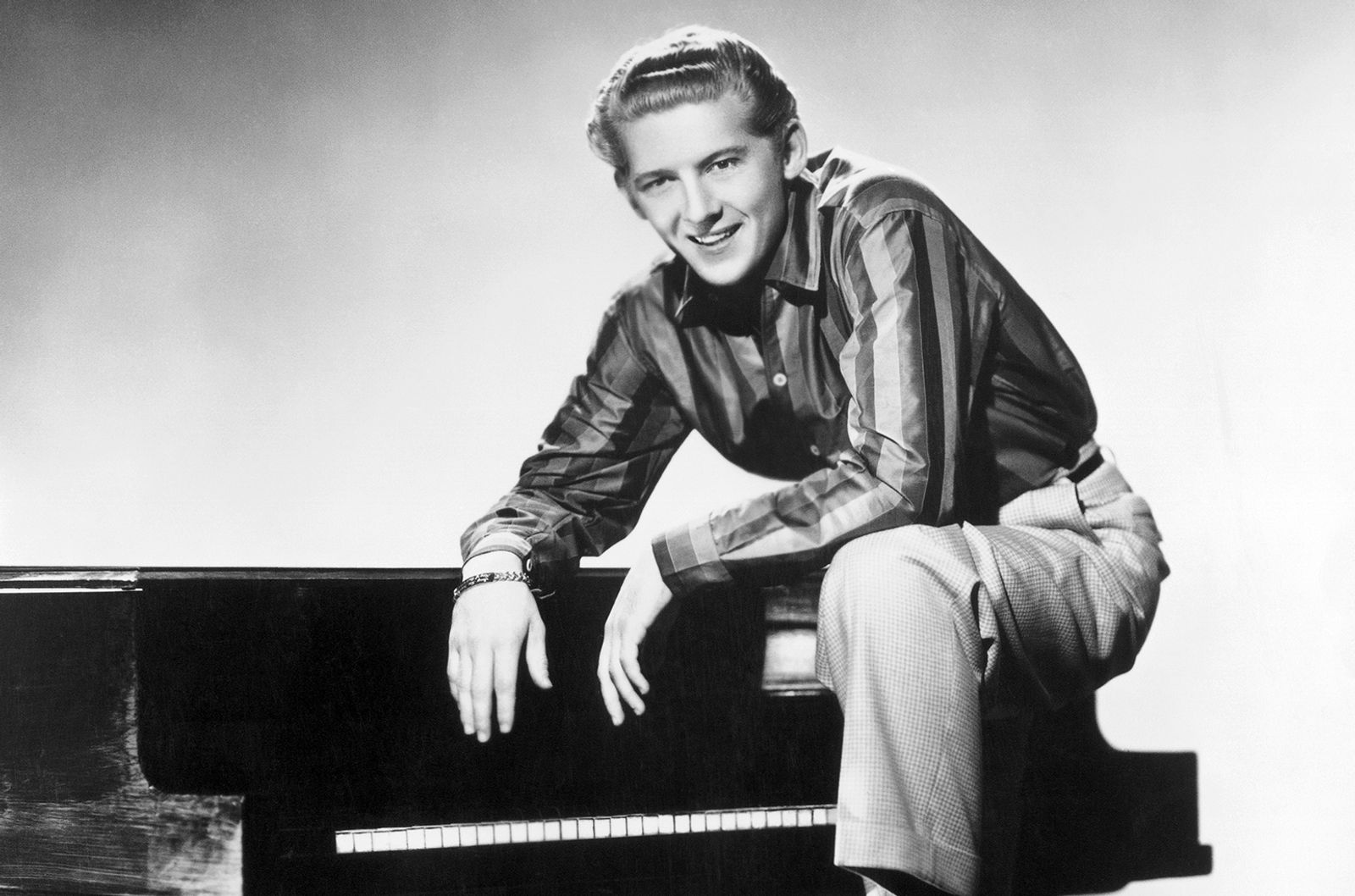
Yet perhaps that emotional contradiction helped give “Great Balls of Fire” its extraordinary power because the recording feels fueled equally by excitement, guilt, passion, and emotional chaos all erupting simultaneously.
The song’s pounding piano performance instantly became legendary, showcasing Lewis attacking the instrument with a ferocity that transformed the piano from a traditional accompaniment into the emotional engine driving the entire recording forward.
Rather than sitting calmly behind the keys, Lewis performed with physical aggression, kicking benches, standing atop pianos, and pounding the instrument as though trying to overpower the room through sheer energy alone.
That explosive performance style shocked older audiences while electrifying younger listeners who were already hungry for music that reflected rebellion, freedom, sexuality, and emotional release during a rapidly changing cultural moment in America.
When the single was released, it became an enormous commercial success, climbing rapidly up the charts and eventually selling millions of copies across both American and international markets.
The recording helped solidify Jerry Lee Lewis as one of rock and roll’s defining early stars, alongside names that would eventually become foundational figures within modern music history itself.
Yet beyond commercial achievement, “Great Balls of Fire” represented something culturally larger because it symbolized the growing divide between traditional American values and the rebellious spirit of postwar youth culture emerging nationwide.
Parents often viewed performers like Lewis as dangerous influences capable of corrupting younger generations through sexuality, emotional recklessness, and music that seemed deliberately designed to challenge social expectations and authority.
Meanwhile, teenagers embraced the song precisely because it sounded rebellious, emotional, and alive in ways previous generations of mainstream entertainment rarely dared to become during the conservative 1950s.
The track’s chaotic energy reflected the emotional hunger of young audiences searching for identity, freedom, and excitement beyond the rigid cultural structures that had dominated much of American society after World War II.
Part of the song’s enduring appeal lies in how completely unfiltered it still feels even decades later because nothing about the performance sounds emotionally restrained or artificially manufactured for mass-market safety.
Lewis sings with the intensity of someone barely containing emotional combustion, creating the sensation that the music itself might spiral out of control at any moment without warning or limitation.
That unpredictability helped make his performances unforgettable because audiences never fully knew whether they were witnessing musical brilliance, emotional collapse, or both happening simultaneously beneath the stage lights and screaming crowds.
As rock music evolved through later decades, countless performers borrowed elements of Lewis’s wild stage energy, aggressive performance style, and fearless willingness to push emotional intensity beyond socially comfortable boundaries.
Artists ranging from Elton John to Bruce Springsteen openly acknowledged the enormous influence Jerry Lee Lewis had on the development of live rock performance and emotionally explosive stage presence throughout modern music history.
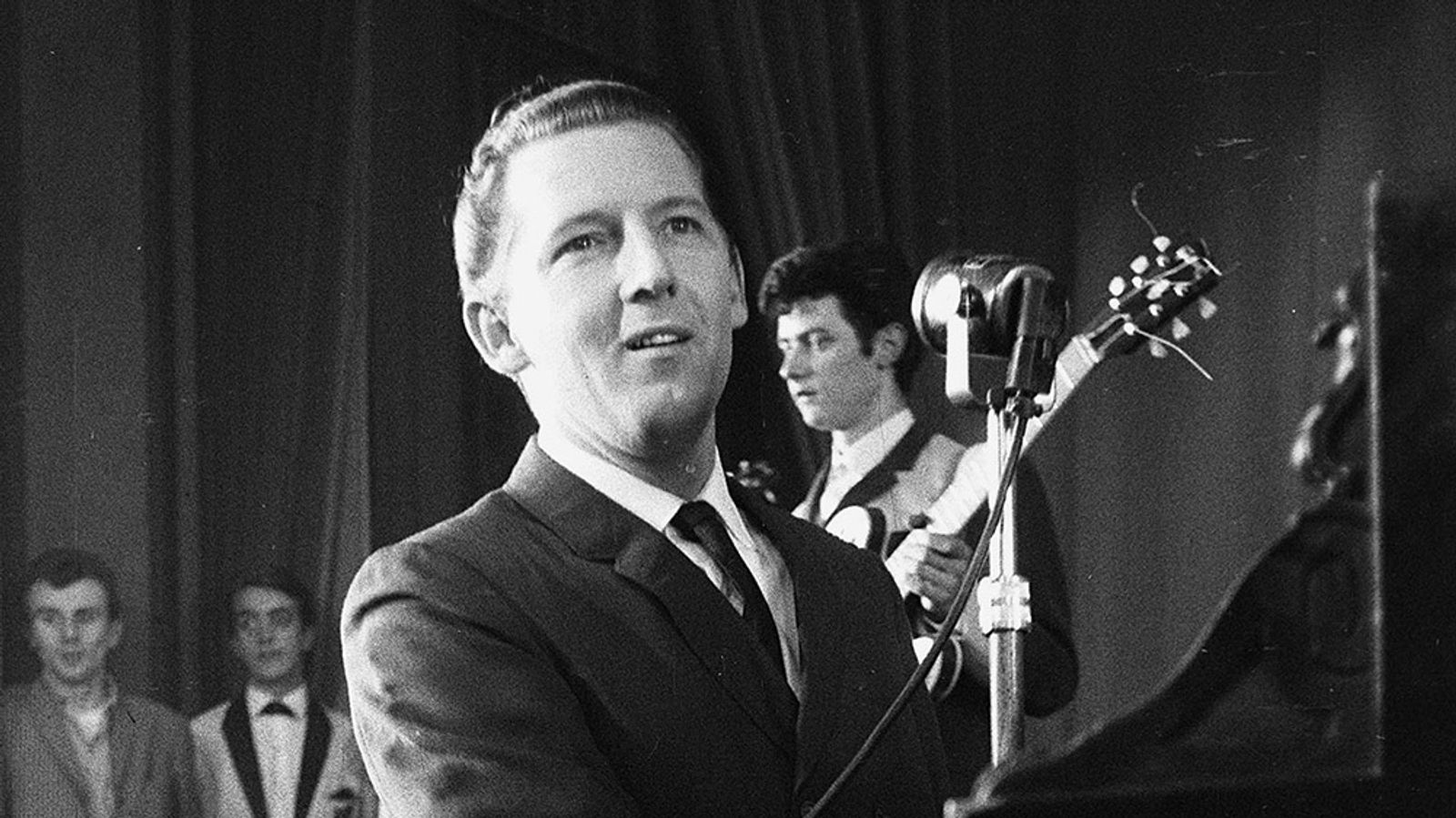
Even musicians outside traditional rock genres recognized the importance of his fearless performance approach because Lewis helped redefine what audiences expected from popular entertainers and live concerts moving forward.
However, the extraordinary rise of Jerry Lee Lewis soon collided with personal scandal after news emerged that he had married his thirteen-year-old cousin Myra Gale Brown during the peak of his fame.
The revelation devastated his public image almost overnight, particularly in Britain, where audiences and promoters reacted with outrage severe enough to derail much of his mainstream commercial momentum almost immediately afterward.
While many careers would have collapsed permanently beneath such scandal, Lewis somehow survived artistically through relentless touring, recording, and eventual reinvention within the world of country music during later years.
Still, the shadow of controversy permanently complicated public perception of Jerry Lee Lewis, transforming him into one of American music’s most talented yet deeply troubled and controversial cultural figures.
That tension between brilliance and self-destruction became central to his legacy because listeners often heard traces of emotional chaos inside performances that now seemed reflective of his personal life as well.
Despite everything surrounding his career, “Great Balls of Fire” endured because its raw musical energy remained undeniable regardless of changing public opinion, evolving generations, or the complicated contradictions attached to Lewis himself.
The recording still sounds startlingly alive today because modern production rarely captures the same dangerous spontaneity, emotional recklessness, and uncontrolled physical intensity present throughout the performance from beginning to end.
For many older listeners, hearing the song instantly recalls jukeboxes, leather jackets, crowded dance halls, and the thrilling cultural shockwave that early rock and roll once unleashed across America during the 1950s.
Meanwhile, younger audiences discovering the track often recognize how much modern rock performance owes to the fearless emotional chaos Jerry Lee Lewis introduced through recordings like this one.
Even after countless changes in musical fashion, technology, and cultural attitudes, “Great Balls of Fire” continues feeling urgent because genuine emotional intensity never fully loses its power across generations or historical eras.
Very few songs manage to preserve such explosive energy for nearly seventy years without sounding outdated, yet the recording still feels capable of igniting excitement almost instantly the moment those piano chords begin.
More than anything, the song survives because it captured a historic cultural moment when rock and roll stopped being merely entertainment and became a force powerful enough to challenge society itself.
Ultimately, “Great Balls of Fire” remains far more than a classic hit because it stands as one of the purest recordings of youthful rebellion, emotional freedom, and untamed musical energy ever captured on tape.
Read more stories
- When Ella Langley Sang and Riley Green Simply Listened: Country Music’s Quietest Power, A Lesson in Musical Connection
- Turning 13 Years of Life into One Album Cover: More Than Just Music, A Touch of Tenderness
- The CMA Fest Moment Nobody Saw Coming: Riley Green and Carly Pearce’s Unforgettable Duet, The Power of Connection in Country Music
- The Osborne Brothers’ “Rocky Top” Becomes a Country Anthem That Bridged Generations and Redefined Bluegrass in 1967-2