Released in 1976, this heartbreaking ballad became the voice of everyone who ever begged for one more chance before love slipped away forever.
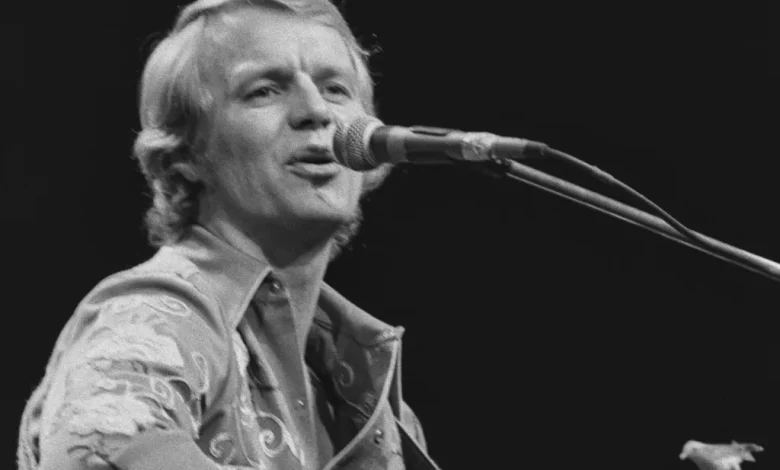
When Don’t Give Up on Us first appeared in 1976, it arrived quietly, almost as if it never intended to become one of the decade’s most unforgettable love ballads.
Yet within weeks, the song was everywhere, drifting through car radios, living rooms, and lonely late-night moments with an emotional sincerity listeners instantly recognized.
At a time when disco rhythms and flashy performances were beginning to dominate popular music, the track stood apart through softness, vulnerability, and emotional restraint.
Performed by David Soul, the song revealed a completely different side of a man audiences primarily knew as a television star.
By the mid-1970s, Soul had already become internationally famous through the hit television series Starsky & Hutch.
Playing Detective Kenneth Hutchinson, he projected charm, confidence, and cool charisma beside co-star Paul Michael Glaser every week on television screens across America.
But behind that public image existed someone deeply drawn to music and songwriting long before Hollywood success arrived.
Soul had spent years performing in clubs and exploring folk music influences during the early stages of his career.
Music was never simply a side project for him because it represented something deeply personal and emotionally honest.
That emotional honesty became the defining strength of “Don’t Give Up on Us.”
Written by songwriter Tony Macaulay, the ballad centered on heartbreak, regret, and the desperate hope that damaged love might still survive another chance.
Unlike dramatic breakup songs filled with anger and accusation, this one carried the exhaustion of someone quietly pleading before it becomes too late forever.
Soul’s vocal performance gave the lyrics extraordinary emotional weight because he sang with tenderness rather than theatrical intensity.
His voice sounded vulnerable, almost fragile at times, as though the words carried genuine emotional consequences beyond the recording studio walls.
That sincerity allowed listeners to connect deeply with the song even if they knew little about David Soul outside television fame.
The production itself reflected the polished emotional style that defined many great ballads of the 1970s.
Soft piano melodies, sweeping orchestration, and restrained percussion created an atmosphere filled with longing without overwhelming the intimacy of the vocals.
Every element of the arrangement seemed designed to support the emotional ache hidden beneath the lyrics.
When the song was released, few expected it to become such a massive international success.
But audiences immediately responded to its warmth and emotional realism during an era increasingly filled with flashy trends and larger-than-life performances.
The track climbed rapidly to number one on both the Billboard Hot 100 in America and the UK Singles Chart.
That achievement was especially remarkable because crossing successfully from television stardom into music had historically proven difficult for many actors.
Yet Soul managed to accomplish it because audiences sensed authenticity rather than celebrity vanity behind the performance.
For many listeners, the song became deeply attached to memories of relationships balanced delicately between hope and heartbreak.
It played during quiet drives after arguments, lonely evenings filled with reflection, and moments when people questioned whether love could truly survive disappointment.
Part of the song’s enduring emotional power comes from its refusal to offer certainty or easy resolution.
The narrator does not promise perfection because he simply asks for one final chance before everything disappears completely.
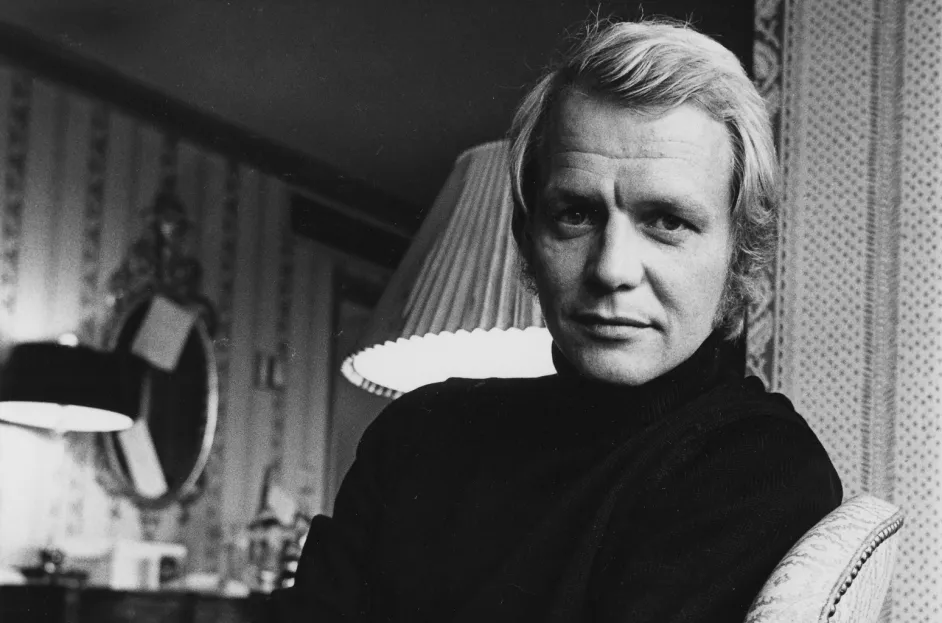
That emotional vulnerability felt painfully human and universally relatable to audiences across generations.
The late 1970s were filled with glamorous musical movements, but “Don’t Give Up on Us” succeeded by remaining emotionally grounded and deeply personal.
Listeners were not hearing a fantasy because they were hearing the sound of someone afraid to lose the person who mattered most.
Soul’s popularity at the time amplified the song’s emotional impact even further.
Television audiences who admired his confident screen persona suddenly encountered a softer and more emotionally exposed version of him through music.
That contrast made the performance feel even more intimate and unexpectedly moving.
Although Soul would continue recording music and scoring additional hits afterward, “Don’t Give Up on Us” remained the defining centerpiece of his musical legacy.
The song followed him for decades, becoming permanently connected to his public identity alongside his television success.
Even today, listeners returning to the track often feel instantly transported back to the emotional atmosphere of the 1970s.
The gentle production, heartfelt lyrics, and vulnerable delivery create the feeling of opening an old letter never fully forgotten.
Like many timeless love ballads, the song survives because it speaks directly to emotional experiences people continue carrying throughout their lives.
Everyone eventually reaches moments where relationships stand uncertainly between forgiveness and final goodbye.
Very few songs capture that fragile emotional space with the same quiet grace and sincerity found in this recording.
Read more stories
- When Ella Langley Sang and Riley Green Simply Listened: Country Music’s Quietest Power, A Lesson in Musical Connection
- Turning 13 Years of Life into One Album Cover: More Than Just Music, A Touch of Tenderness
- The CMA Fest Moment Nobody Saw Coming: Riley Green and Carly Pearce’s Unforgettable Duet, The Power of Connection in Country Music
- The Osborne Brothers’ “Rocky Top” Becomes a Country Anthem That Bridged Generations and Redefined Bluegrass in 1967-2