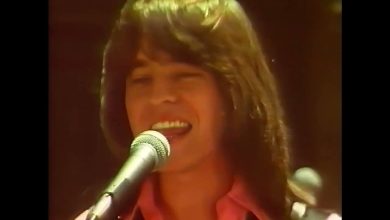
Released in 1972, it sounded nothing like the sunny California rock people expected… haunting, hypnotic, and dangerously seductive.
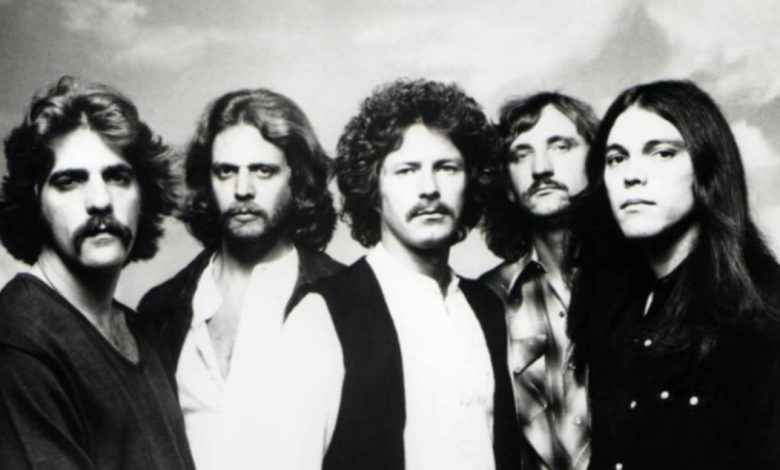
Released in 1972, it sounded nothing like the sunny California rock people expected… haunting, hypnotic, and dangerously seductive. More than 50 years later, this mysterious classic still feels like driving through the desert at midnight with ghosts hiding between the radio waves.
In 1972, when California rock music was beginning to dominate American radio with sun-soaked harmonies and restless ambition, Eagles released a song that sounded darker, stranger, and far more mysterious than anything most listeners expected from the band.
“Witchy Woman” did not arrive wrapped in the easygoing warmth that would later define many of the Eagles’ biggest hits because from its opening notes, the song carried an atmosphere of danger, seduction, and spiritual unease.
The slow hypnotic rhythm, eerie harmonies, and haunting lyrics immediately created the feeling of stepping into a dream somewhere between romance and hallucination.
At a time when much of popular rock celebrated freedom and youthful optimism, “Witchy Woman” explored the darker side of fascination and desire hiding beneath the glamorous surface of the early 1970s.
The Eagles themselves were still a relatively new group when the song appeared on their self-titled debut album Eagles.
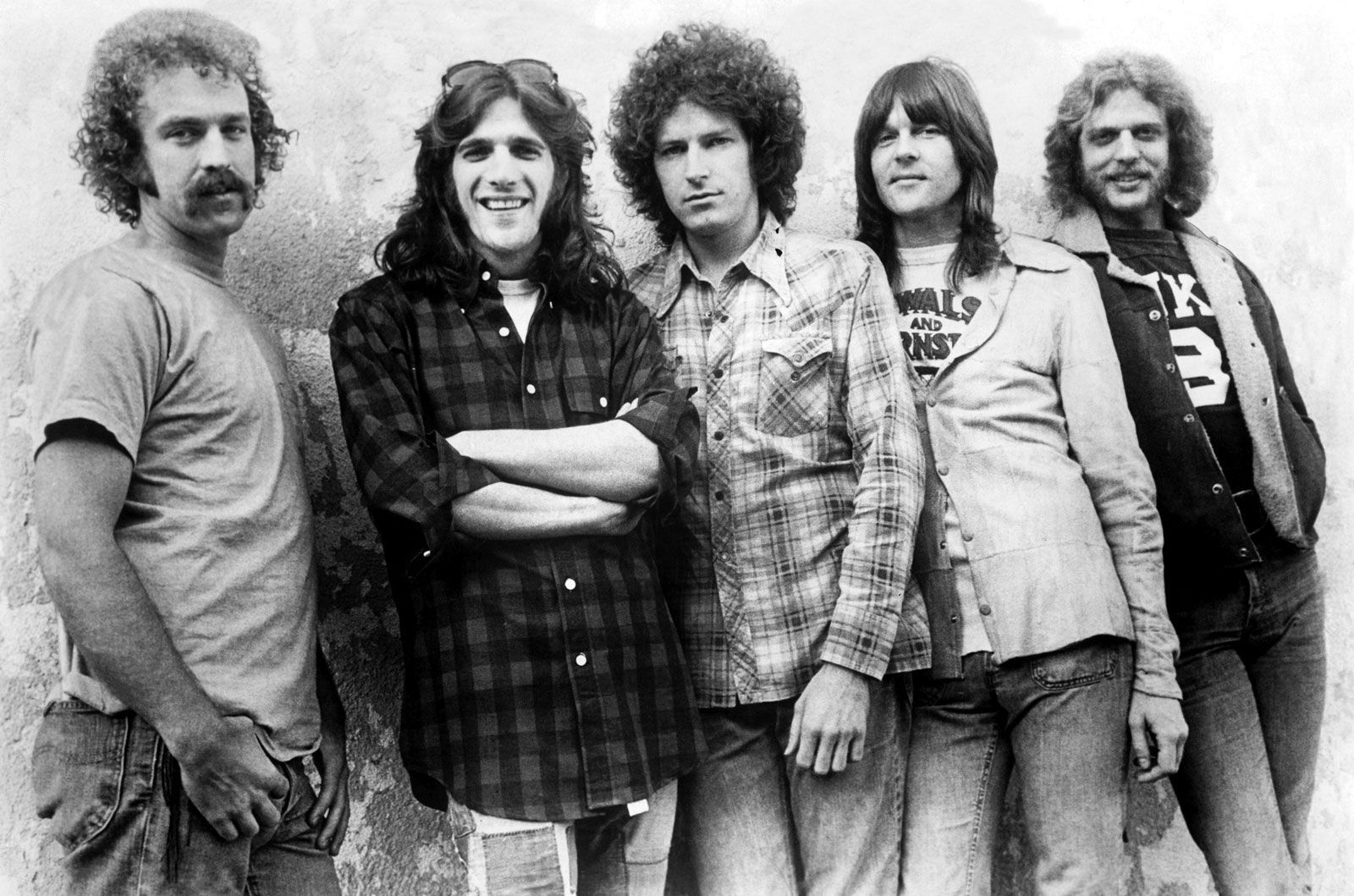
Formed in Los Angeles in 1971, the band brought together musicians already seasoned by years of backing other artists across the country-rock scene emerging from California at the time.
Don Henley, Glenn Frey, Bernie Leadon, and Randy Meisner each carried different musical influences that blended into a sound balancing country roots with rock sophistication.
Yet even among the band’s earliest material, “Witchy Woman” stood apart because it revealed a moodier and more cinematic side of their songwriting instincts.
The song was primarily written by Don Henley and Bernie Leadon, though its creation happened gradually over several months before finally reaching completion in the studio.
Henley later explained that the lyrics were inspired partly by novelist Carlos Castaneda and his writings about mysticism, altered consciousness, and spiritual encounters in the American Southwest.
At the same time, the mysterious female character inside the song also drew influence from women Henley encountered during the chaotic Los Angeles music scene of the early 1970s.
The result became a character who felt less like a real person and more like a symbol of temptation, freedom, beauty, and emotional danger existing all at once.
When Henley sings about raven hair, restless eyes, and lips “as red as ruby,” the woman inside the song feels almost supernatural rather than human.
That ambiguity became one of the track’s greatest strengths because listeners could project countless meanings onto the mysterious figure haunting the lyrics.
Some heard a seductive free spirit shaped by the counterculture era.
Others heard a warning about obsession and emotional destruction hidden beneath physical attraction.
And some simply became captivated by the atmosphere itself without fully understanding why the song felt so hypnotic.
Musically, “Witchy Woman” built its identity around tension and restraint rather than explosive energy.
The steady percussion created an almost tribal pulse beneath shimmering guitars and layered harmonies that slowly pulled listeners deeper into the song’s strange emotional landscape.
Henley’s vocal delivery added even greater intensity because he sang with a weary fascination that sounded both attracted and unsettled at the same time.
That emotional contradiction gave the song its haunting quality because it never clearly separated desire from danger.
Released as a single in late 1972, “Witchy Woman” became the Eagles’ first major hit, climbing into the Top 10 of the Billboard Hot 100 and introducing the band to a national audience.
For many listeners, the song immediately revealed that the Eagles were capable of far more than polished country-rock melodies.
There was darkness inside their music too.
There was mystery.
There was emotional complexity hidden beneath the harmonies.
That broader artistic range would later become essential to the band’s identity as they evolved into one of the most successful rock groups in American history.
Part of what made “Witchy Woman” so memorable was how perfectly it captured the atmosphere of early 1970s California without directly describing it.
The song carried traces of desert spirituality, fading hippie idealism, sexual liberation, and the growing emotional exhaustion hiding beneath Hollywood glamour.
Los Angeles during that era often felt like a city where dreams and illusions constantly blurred together, and “Witchy Woman” reflected that instability beautifully.
The mysterious woman inside the song almost seemed to represent California itself: seductive, alluring, inspiring, and quietly dangerous beneath its beauty.
As the Eagles’ fame exploded throughout the decade with albums like Hotel California and One of These Nights, “Witchy Woman” remained one of the defining songs from their early years.
Even alongside massive hits like Take It Easy and Desperado, the track retained a unique identity because no other Eagles song quite recreated its eerie atmosphere.
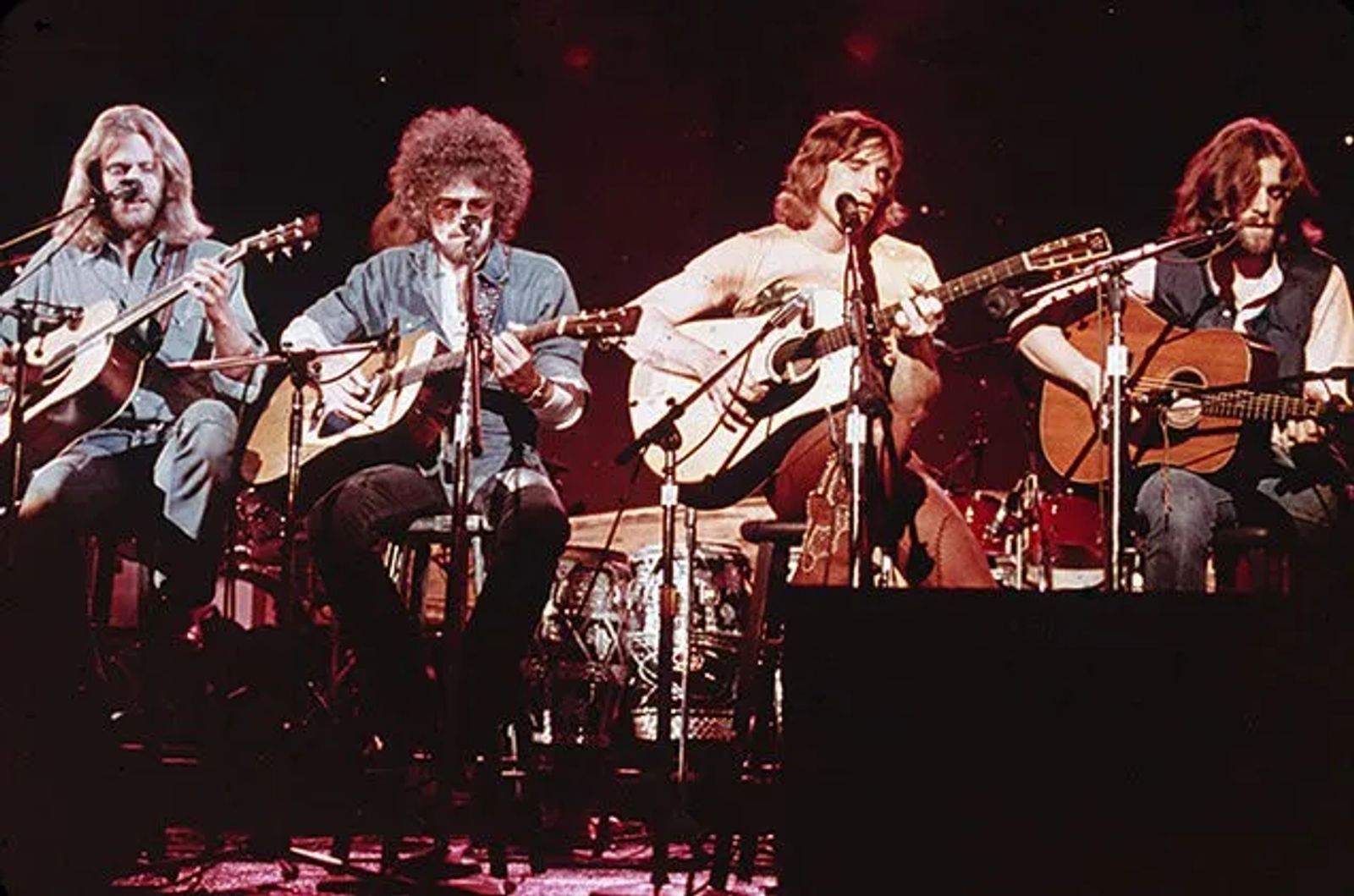
Over time, the song became a staple of classic rock radio and live performances, where audiences instantly recognized its opening rhythm and haunting vocal harmonies.
Its mood proved remarkably timeless because fascination with mystery and forbidden attraction never truly disappears from popular culture.
Many listeners who first heard the song decades ago still describe the same feeling whenever it begins playing unexpectedly through speakers late at night.
The room changes slightly.
The atmosphere darkens.
The imagination starts filling in shadows between the lyrics.
That emotional reaction explains why “Witchy Woman” continues enduring long after countless other songs from the early 1970s faded into nostalgia.
The track also helped establish Don Henley as one of rock music’s most emotionally intelligent lyricists long before his later songwriting achievements fully emerged.
Even in this early stage of his career, Henley already understood how to combine vivid imagery with emotional ambiguity in ways that kept listeners returning repeatedly to search for deeper meaning.
That lyrical sophistication eventually became central to the Eagles’ greatest work throughout the decade.
As years passed, “Witchy Woman” also gained a reputation as one of the songs that best captured the transition from the optimistic 1960s into the more complicated emotional realities of the 1970s.
The innocence of the peace-and-love era had begun fading by then, replaced by uncertainty, excess, emotional confusion, and spiritual searching.
Inside that cultural shift, the song felt almost prophetic.
It celebrated beauty and freedom while quietly hinting at loneliness and emotional danger hiding underneath both.
Even today, more than fifty years after its release, “Witchy Woman” still feels strangely alive whenever its hypnotic rhythm begins echoing through old radios, desert highways, or dimly lit bars somewhere far past midnight.
It remains more than just an early Eagles hit.
It is a mood.
This iconic actress became a household name and global phenomenon in the…
When you hear the name Elizabeth Montgomery, it’s impossible not to hear the little twinkle that accompanied her character’s nose…
Who is the Nebraska-born actress who moved from daytime soaps to Emmy-wi…
Marg Helgenberger is one of television’s rarest treasures — an actress whose presence is so unforgettable, so grounded, that even…
Guess Who She Is?: The Timeless Icon Who’s 87 and Still Unforgettable!
Jane Fonda is widely regarded as one of Hollywood’s most enduring and influential figures. Over the course of more than six decade…
It is a memory.
It is the sound of fascination becoming obsession beneath the fading glow of California dreams.
Read more stories
- When Ella Langley Sang and Riley Green Simply Listened: Country Music’s Quietest Power, A Lesson in Musical Connection
- Turning 13 Years of Life into One Album Cover: More Than Just Music, A Touch of Tenderness
- The CMA Fest Moment Nobody Saw Coming: Riley Green and Carly Pearce’s Unforgettable Duet, The Power of Connection in Country Music
- The Osborne Brothers’ “Rocky Top” Becomes a Country Anthem That Bridged Generations and Redefined Bluegrass in 1967-2