She May Be Smiling But This Girl Grew Up To Become One Of History's Most Evil Women 2
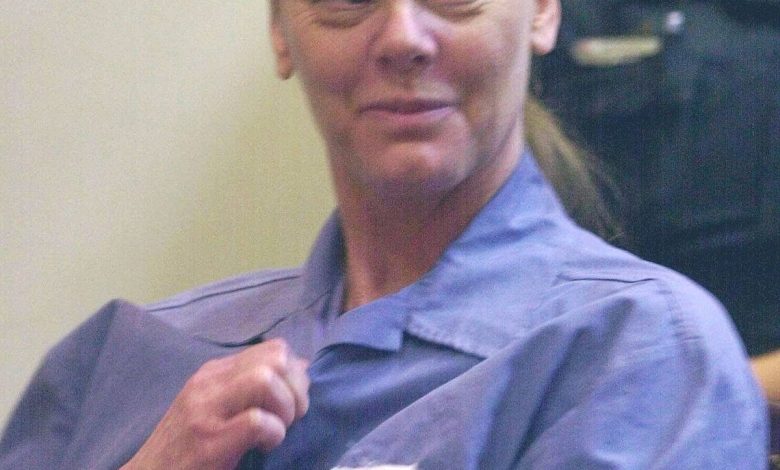
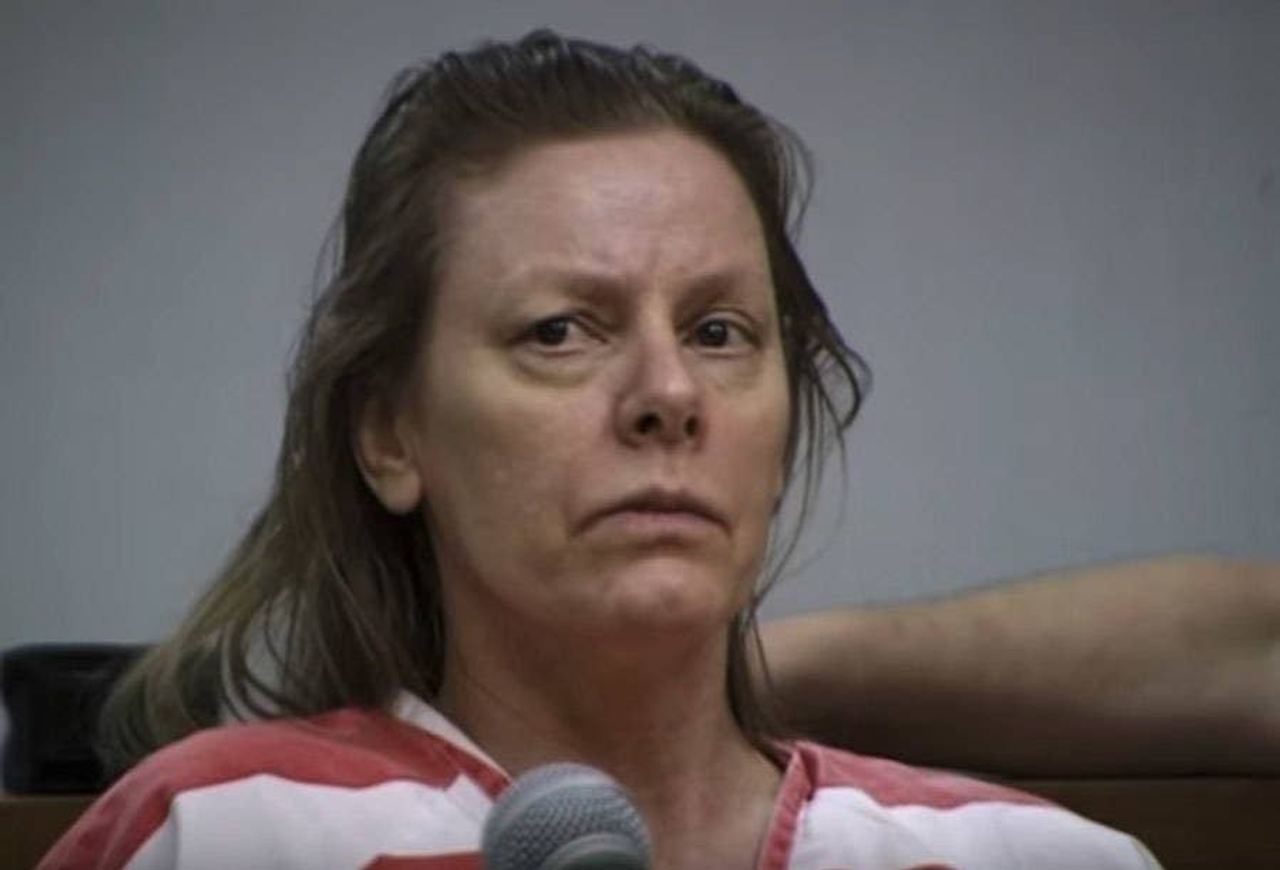
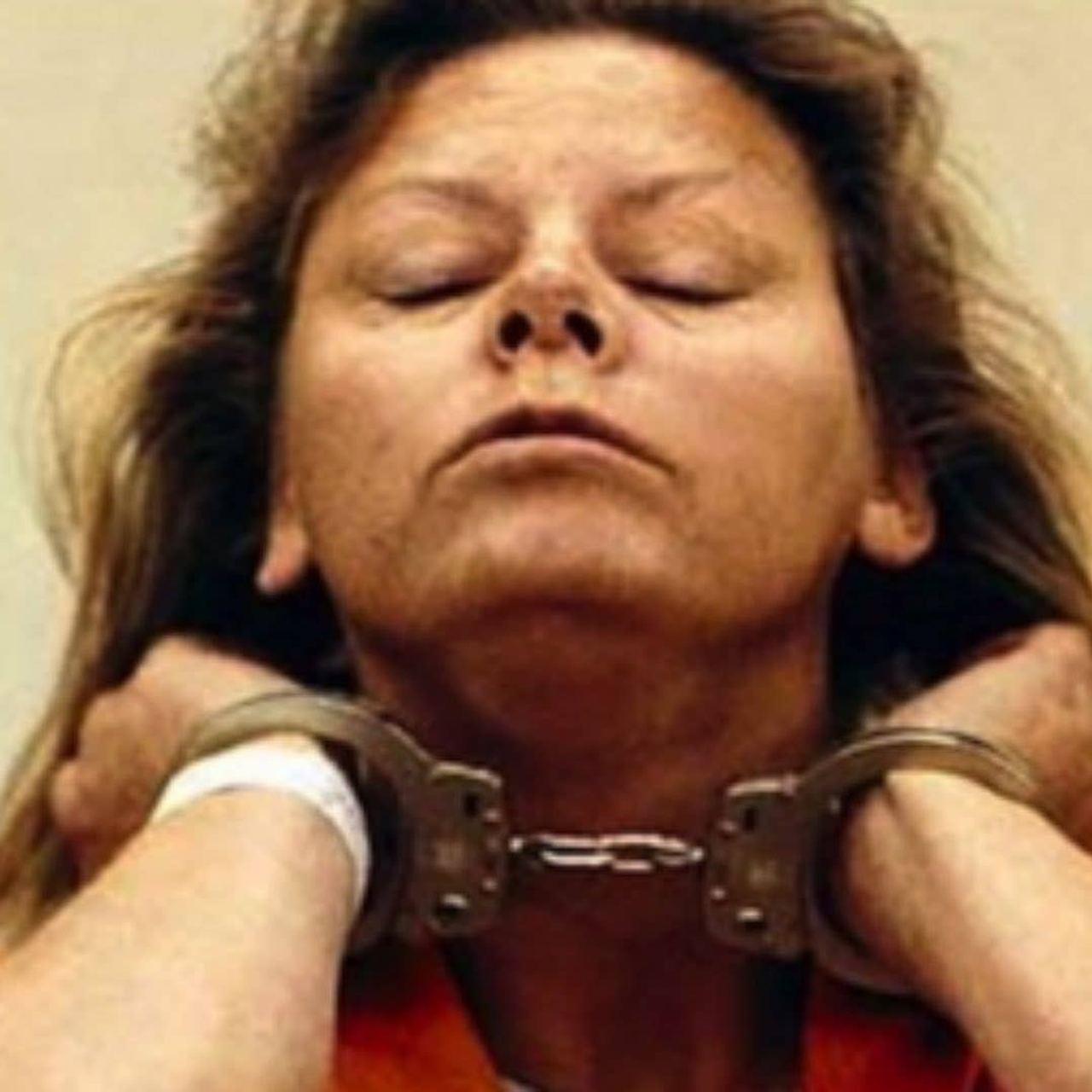
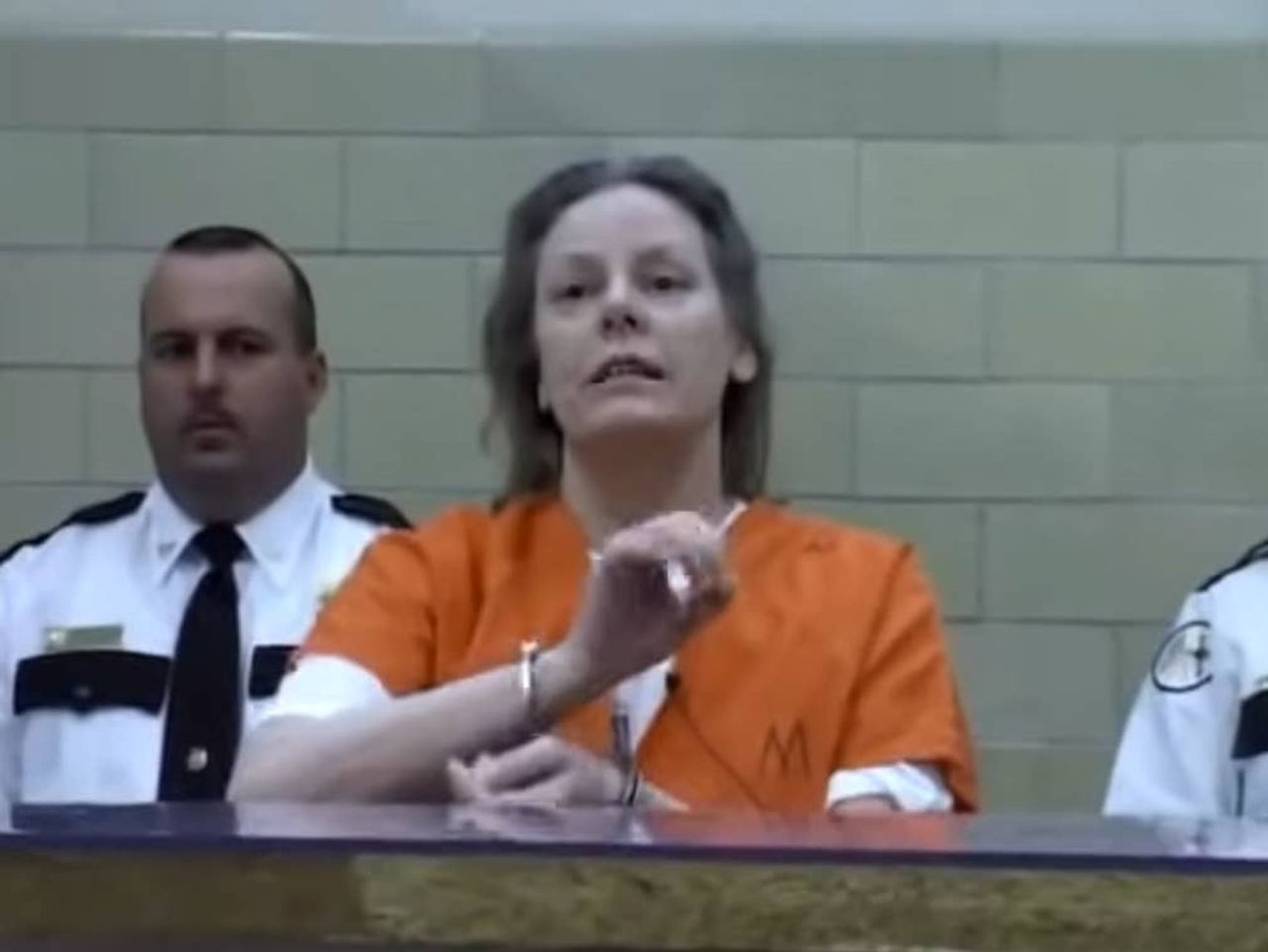
More than twenty years after her execution, Aileen Wuornos — one of America’s most infamous female serial killers — is once again at the center of national attention. Netflix is rolling out a new documentary, Aileen: Queen of the Serial Killers, which promises an unfiltered look at her life, her crimes, and the disturbing path that led her from a troubled childhood to death row.
Wuornos terrorized central and northern Florida in 1989 and 1990, killing seven men while working along the state’s highways. Her murders triggered a massive, multi-state investigation that eventually ended with her arrest in early 1991 and a string of first-degree murder convictions the following year. She would ultimately receive six death sentences.
The documentary features rare, previously unreleased interviews from death row, capturing Wuornos in her own words as she shifted from insisting she acted in self-defense to bluntly admitting she killed without hesitation. Her emotional state changed repeatedly over the years, at times expressing rage, at other times showing no remorse whatsoever.
Netflix also digs into the long, painful history that shaped her. Wuornos grew up in Michigan under chaotic and abusive conditions, learning at just 10 years old that the people she believed were her parents were actually her grandparents. Her biological father had already landed in prison for child rape and later killed himself behind bars. As a young girl, Wuornos reported beatings, sexual abuse, and emotional torment — experiences that left her isolated, volatile, and often homeless.
By her early teens, she was trading sex for money or cigarettes and eventually drifted into full-time prostitution. She hitchhiked across the country, racked up arrests for theft, assault, and armed robbery, and burned through a brief marriage to an older yachtsman before resettling in Florida. There, she entered a long relationship with Tyria Moore — a partnership that collapsed when Moore cooperated with investigators after the murders began.
Between late 1989 and fall 1990, the bodies of middle-aged men appeared near rural highways across Florida. Each had been shot multiple times. Wuornos pawned items linked to her victims under false names, drove their vehicles, and eventually confessed on videotape.
After a decade of appeals and repeated court battles over her mental state, Wuornos was executed in October 2002 at the age of 46.
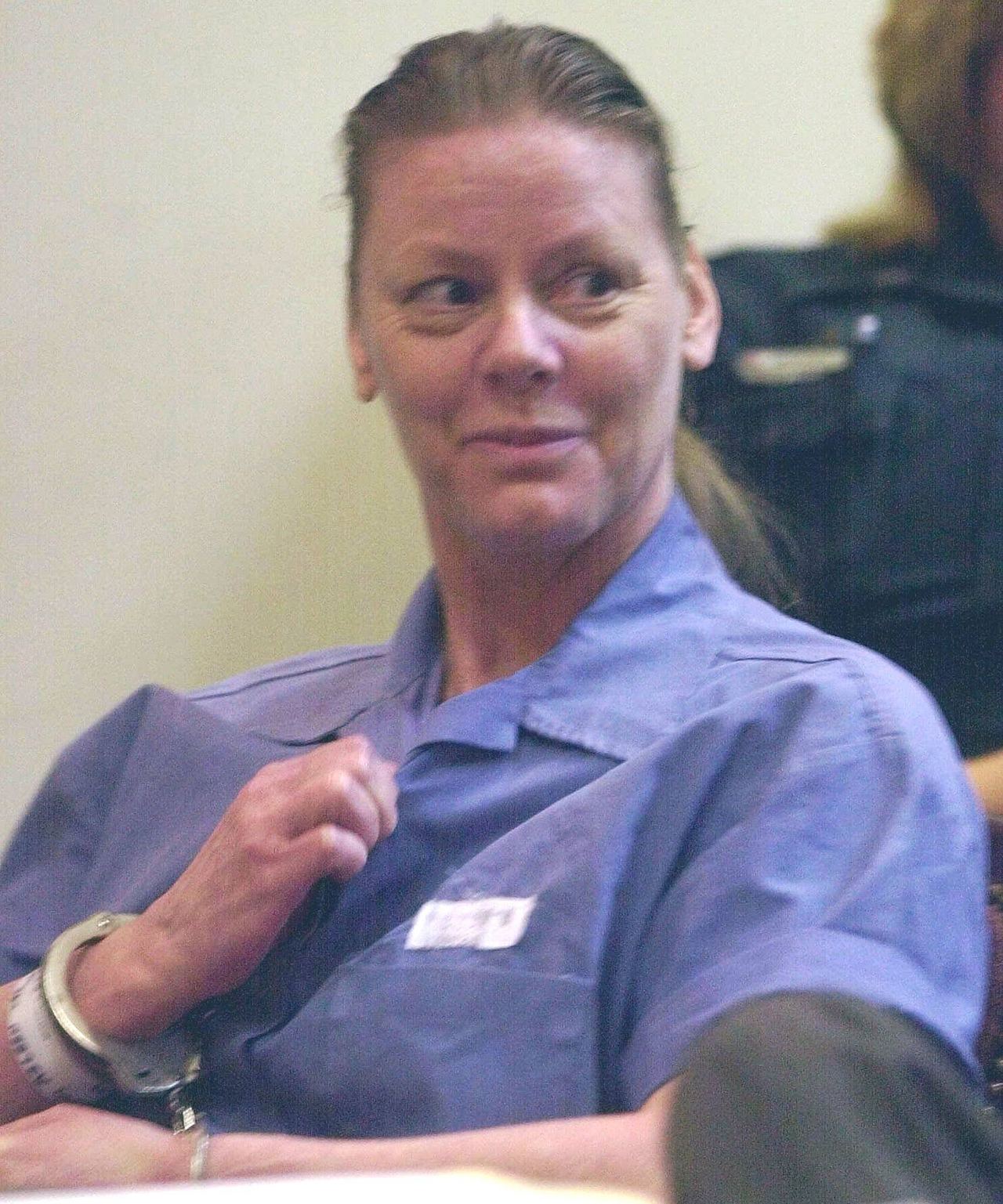
Despite her death, Hollywood and the media have kept her story alive — from Charlize Theron’s Oscar-winning portrayal in Monster to numerous documentaries. Now, Netflix’s latest project aims to reexamine her legacy through a modern lens.
Sources: Biography
Continue reading
Linda Ronstadt’s “Long, Long Time” Lives On as One of the Most Haunting Ballads of Heartbreak (1970)
When Linda Ronstadt released “Long, Long Time” in 1970, it wasn’t just another track from a promising young vocalist—it was a declaration of emotional depth, a lament so powerful that it left a permanent mark on the landscape of American popular music.
Though it peaked modestly at No. 25 on the Billboard Hot 100, the song’s raw vulnerability and Ronstadt’s aching delivery elevated it to something greater than a chart statistic.
Over time, “Long, Long Time” evolved from a single release into a timeless torch song, revered for its devastating honesty and proof of Ronstadt’s uncanny ability to channel heartache into artistry.
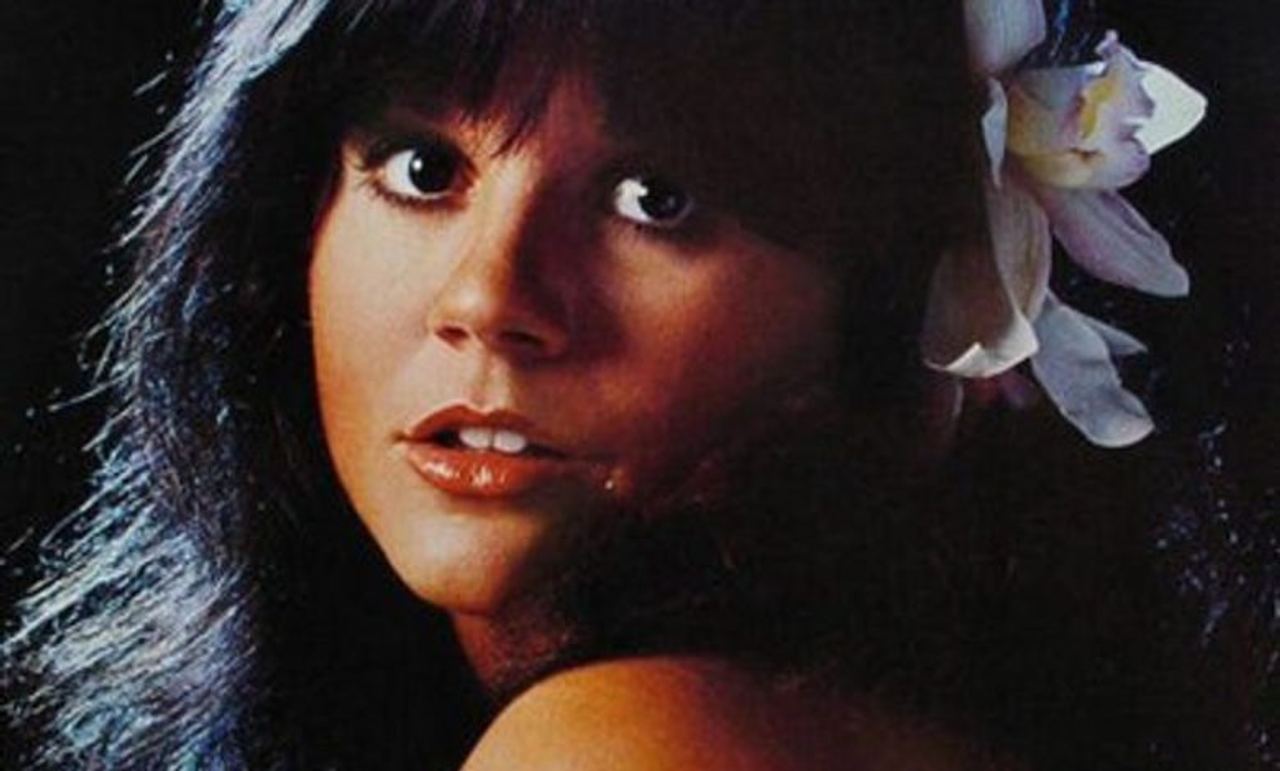
Born in Tucson, Arizona, in 1946, Linda Ronstadt grew up in a musically rich household that blended Mexican folk, traditional pop, and country-western.
Her early career began with the folk-rock trio The Stone Poneys, which scored a hit in 1967 with “Different Drum.”
But Ronstadt was never content to be boxed into one genre.
She set out on a solo path marked by experimentation and a refusal to be typecast.
“Long, Long Time” was one of her earliest solo breakthroughs, revealing a torch singer’s soul beneath her country-rock exterior, and signaling that Ronstadt was not just a talented vocalist—she was an interpreter of emotional truth.
The song was written by Gary White, a relatively unknown songwriter at the time, who offered it to Ronstadt during the sessions for her album Silk Purse.
As legend has it, the lyrics and melody struck her immediately.
The ballad—built on a simple, sorrowful chord progression—tells the story of unrequited love that lingers for years, a love that never fully dies.
Ronstadt later recalled that singing the song felt like reading pages from her own emotional diary.
In the late 1960s and early 1970s, when so much popular music leaned toward rebellion or optimism, “Long, Long Time” stood out for its wounded realism.
Linda Ronstadt – IMDb
Produced by Elliot Mazer, who would later work with Neil Young, the recording of “Long, Long Time” was intentionally stripped-down to let Ronstadt’s vocal take center stage.
The arrangement was gentle yet deliberate, anchored by a melancholic string section and subtle acoustic guitar lines.
But it was Ronstadt’s voice—vibrating with restrained pain, catching in just the right moments—that gave the song its unforgettable character.
She didn’t over-sing it.
She let the silence between lines linger, letting the heartbreak breathe.
Her performance on this track, still early in her career, revealed a masterful sense of control and emotion that few singers of any era ever achieved.
Upon release, the song became her first solo hit and a staple on adult contemporary radio.
Though it didn’t break into the Top 10, it spent 12 weeks on the Billboard Hot 100 and gained Ronstadt a nomination for Best Contemporary Female Vocal Performance at the 1971 Grammy Awards.
For a young artist with limited commercial visibility at the time, this recognition was pivotal.
It opened the door to a new level of respect and opportunity, introducing her to a broader audience who may not have been attuned to her folk-rock roots.
Culturally, “Long, Long Time” resonated in a period of great societal transformation.
Released in the wake of the tumultuous 1960s, the song’s quiet grief contrasted with the loud protests and electric anthems of the time.
About – Linda Ronstadt
It was a reminder that not all battles are external—some are internal, fought in the silence of the heart.
Ronstadt gave voice to those private wars.
For many women in particular, the song articulated the pain of waiting, of loving without reciprocation, at a time when traditional gender roles were being questioned and rewritten.
For Ronstadt, the success of “Long, Long Time” laid a foundation of credibility that would allow her to explore virtually every genre in the decades to follow—country, rock, jazz standards, Mexican folk, and opera.
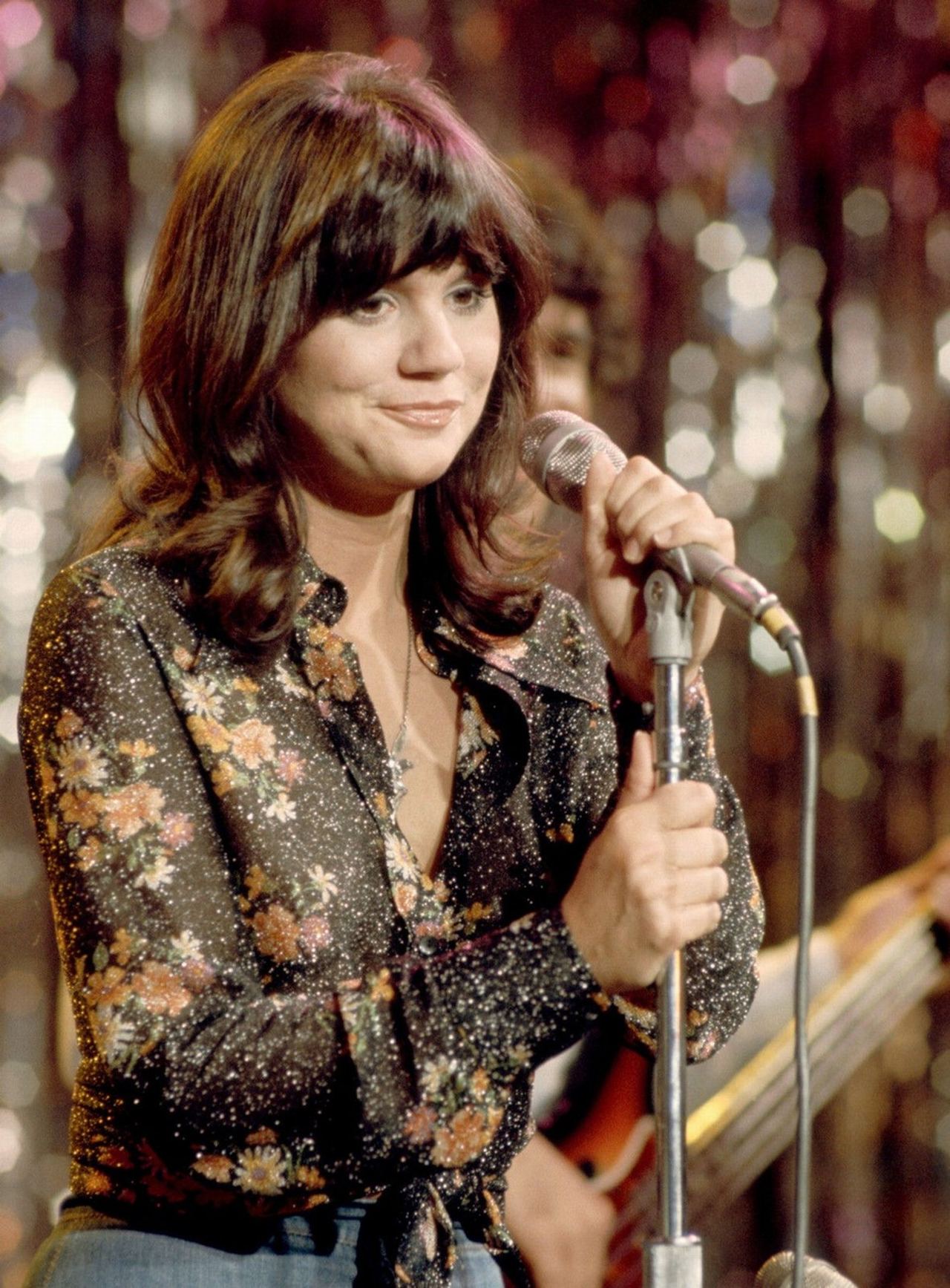
While the song did not define her commercially in the same way that her later 1970s hits like “You’re No Good” or “Blue Bayou” would, it proved that she could elevate any material with integrity and emotional honesty.
It helped set her apart from her contemporaries as an artist with true interpretive power.
The song’s unique fusion of folk, country, and classical pop elements would become a template for other artists seeking to bridge genres.
Its influence is especially noticeable in the adult contemporary ballads that followed in the 1970s and 1980s.
Artists such as Emmylou Harris, Bonnie Raitt, and even Norah Jones owe a stylistic debt to the emotional restraint and vocal purity that Ronstadt showcased on “Long, Long Time.”
It proved that power could come from quiet despair rather than bombast.
Over the years, “Long, Long Time” has been covered sparingly, and often with reverence.

Most notable among them is a rendition by Carrie Underwood, who performed the song live in tribute to Ronstadt.
Linda Ronstadt – California Museum
But perhaps the most striking cultural resurgence of the song came decades later, when it was featured in the 2023 episode of the acclaimed HBO series The Last of Us.
The episode’s narrative of enduring, unspoken love mirrored the song’s message so perfectly that Ronstadt’s version surged in digital streams and downloads, introducing the haunting ballad to a new generation.
At the time of the song’s original release, Ronstadt was navigating personal and professional upheaval—struggling with the rigors of the music industry and the expectations placed on young female artists.
Singing “Long, Long Time” in concert often moved her to tears, and she sometimes avoided performing it altogether due to its emotional toll.
Yet this vulnerability only deepened the song’s impact, both for her and for her fans.

Today, “Long, Long Time” is regarded as one of the crown jewels of Linda Ronstadt’s career.
It has earned its place on countless “greatest ballads” lists and continues to receive regular airplay on classic rock and easy listening stations.
More importantly, it endures as a living piece of emotional history—a soundtrack for anyone who has waited for a love that never quite arrived.
The track also marks a subtle but important pivot in pop balladry—one where the storytelling became less about fairy-tale endings and more about the messy middle, the spaces in between.
It signaled that audiences were ready for deeper emotional honesty in mainstream music and helped normalize that vulnerability, particularly for female artists.
Though Ronstadt retired from performing in 2009 due to health issues related to Parkinson’s disease, the legacy of “Long, Long Time” continues to flourish.
In 2014, she was inducted into the Rock and Roll Hall of Fame, and the song was among those cited as proof of her extraordinary interpretive ability.
Its presence in recent pop culture moments—like The Last of Us—ensures that its message is not frozen in time but echoes forward with fresh relevance.
What makes “Long, Long Time” so memorable isn’t just its mournful melody or the clarity of Ronstadt’s voice—it’s the way it captures the aching, slow-motion reality of heartbreak in real time.